The specialties in research department cover complex studies in history, philosophy, mythology, archaeology, anthropology, archaeoastronomy, paleocartography and ancient architecture among the main ones.
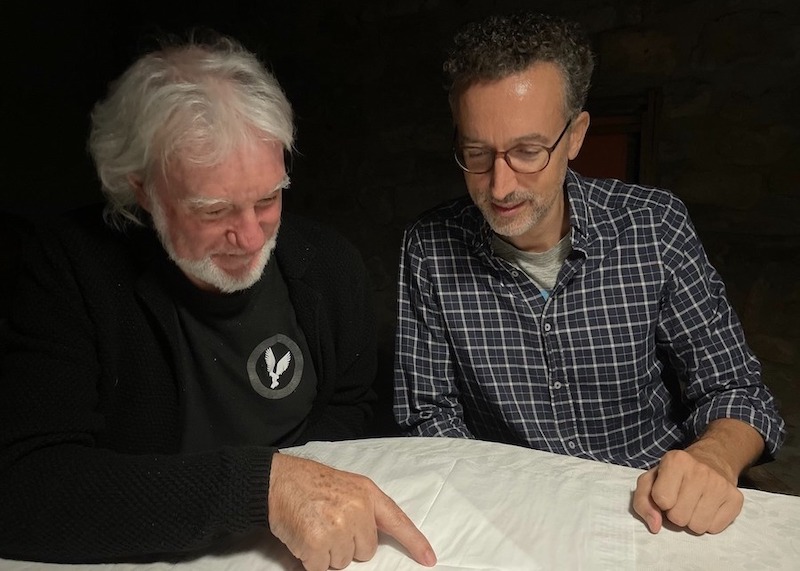
Anselm Pi Rambla & Prof. Dr. Sergi Grau
History
The Research Division of our foundation
is the heart of our
operations, dedicated to the exploration, documentation, and analysis of events, figures, and
historical periods of global relevance.
Our team consists of highly trained historians,
archaeologists, archivists, and experts in various humanities disciplines who work
interdisciplinarily to provide high-quality, academically rigorous research.
Archaeology
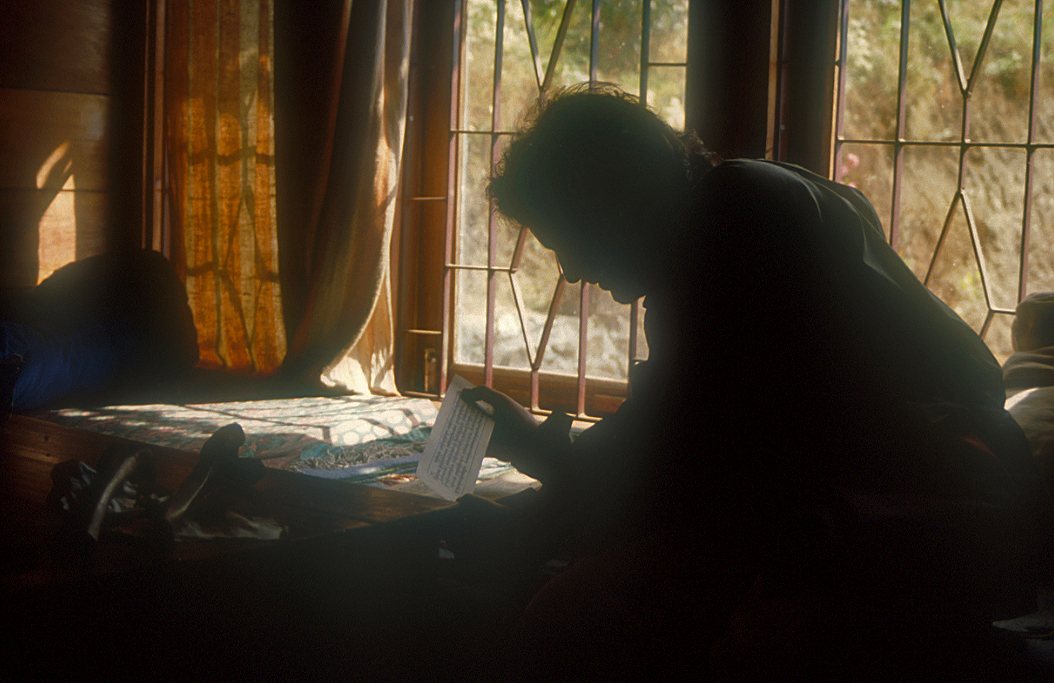
In Archaeology makes all kinds of interventions with latest generation techniques that do not directly affect the heritage remains (remote sensing and non-erosive techniques).
A correct valuation of the archaeological remains makes
that its potential presence does not suppose a difficulty for the correct development of the
projects.
We do development plans in sensitive areas and
comprehensive plans of action in Historical - Archaeological and Natural Sites.
W orks: Anastylosis • Surveys • Restoration •
Conservation• Musealization • Excavations
Underwater Archaeology
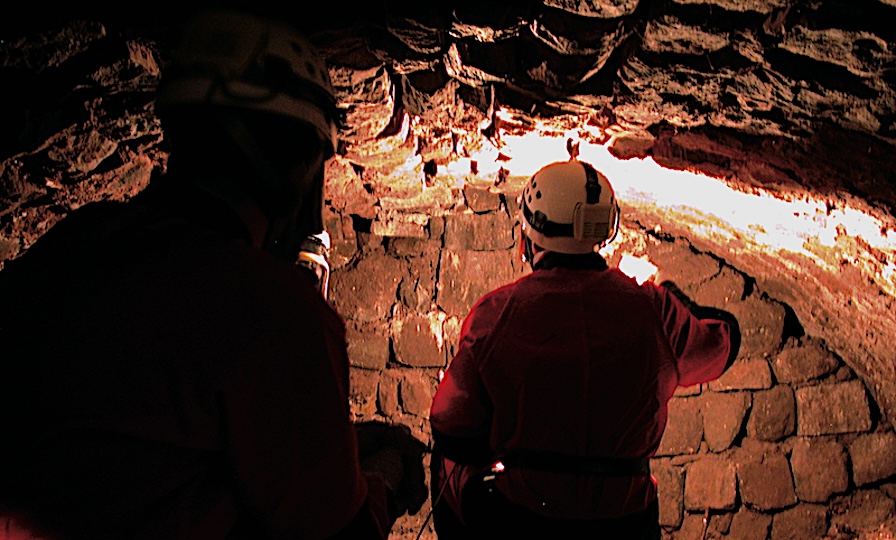
We combine archaeological history, science and technology for the recovery, study, classification and dating of submerged heritage.
U nderwater archaeology is often complementary to
archaeological research on terrestrial sites because the two are often linked by many and various
elements including geographic, social, political, economic and other considerations.
As a result, a study of an archaeological landscape can involve a multidisciplinary approach requiring
the inclusion of many specialists from a variety of disciplines including prehistory, historical
archaeology, maritime archaeology, and anthropology
Anthropology
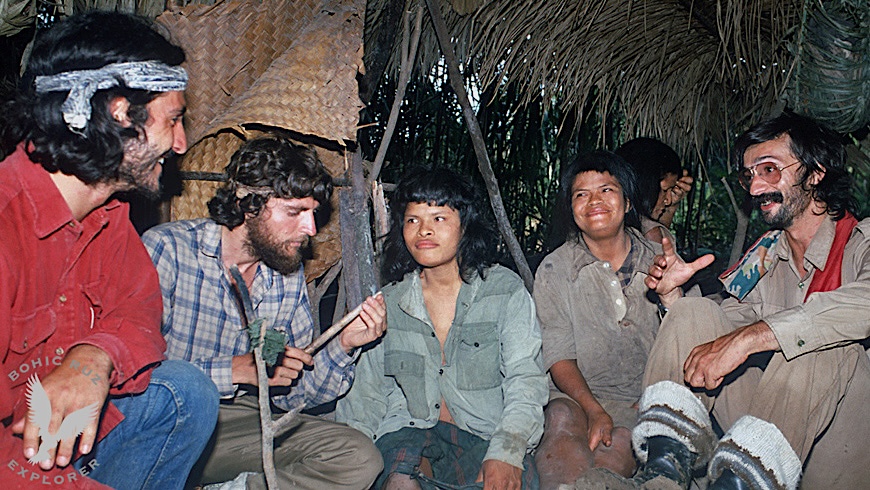
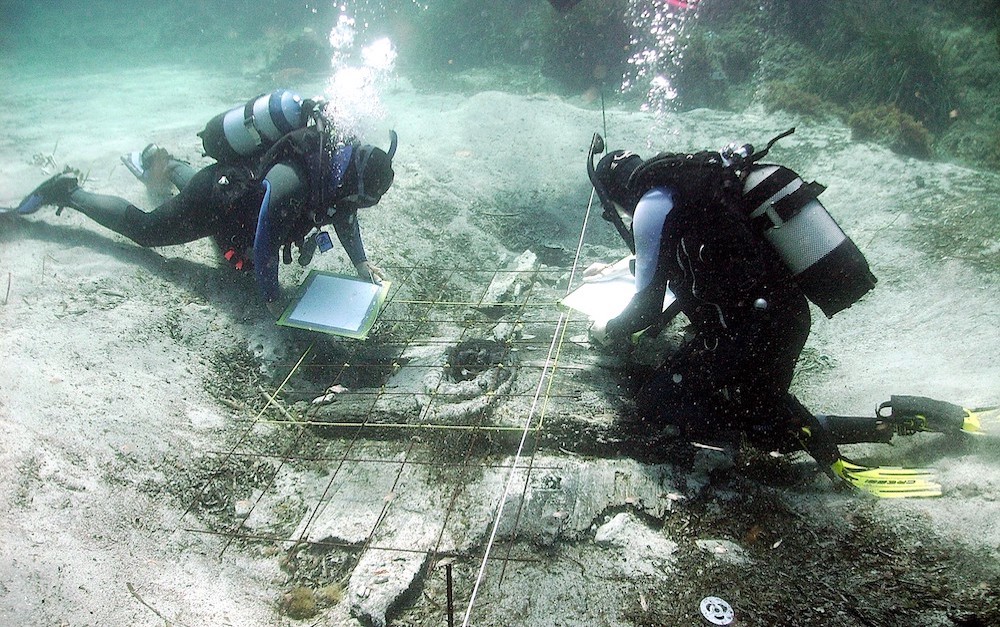
Anthropology is the scientific
study of humanity, concerned with human behavior, human biology, cultures, societies, and linguistics, in
both the present and past, including past human species.
Our research department combines anthropological studies with other scientific disciplines such as history
and archaeology.
image: Upper Amazon Rainforest
Mashcopiros tribe
Ancient Architecture
The most iconic Classical constructs
are the large stone temples that were
built on a foundation of symmetry and order. As such, there is a longstanding tradition of architects
looking back at this architectural history and reviving the values and ideals of the ancient
world.
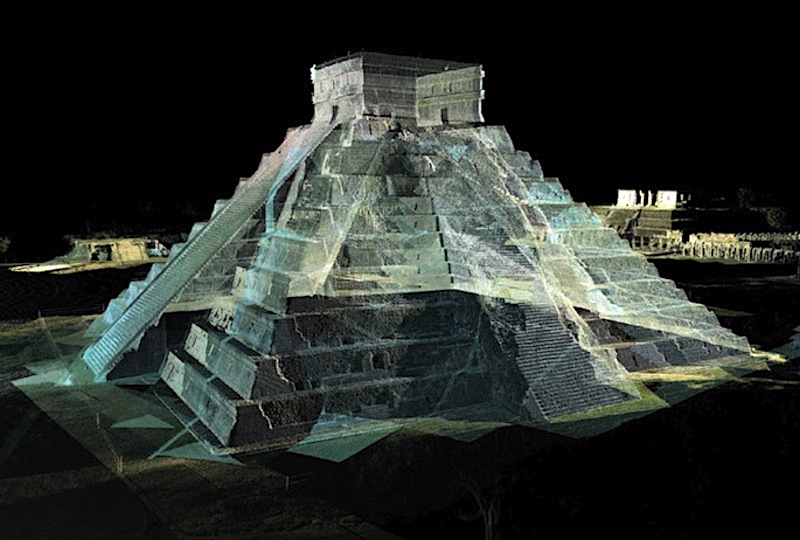
From the Great Pyramids to lost civilizations in Europe, Africa, Asia, America and Oceania
we leave no stone unturned in this epic exploration into the hidden history of ancient structures
and sacred sites.
Paleocartography & Geodetic Research
The Pi Rambla Heritage Foundation
stands at the forefront of
historical research by specializing in the technical analysis of ancient cartography
(Paleocartography).
Our methodology extends beyond the traditional historical study of maps; we apply reverse
engineering and digital photogrammetry to decode geographic information found in portolan
charts and maps from the Renaissance and the Middle Ages. Our thesis posits that these
documents contain data derived from much older and more sophisticated sources.
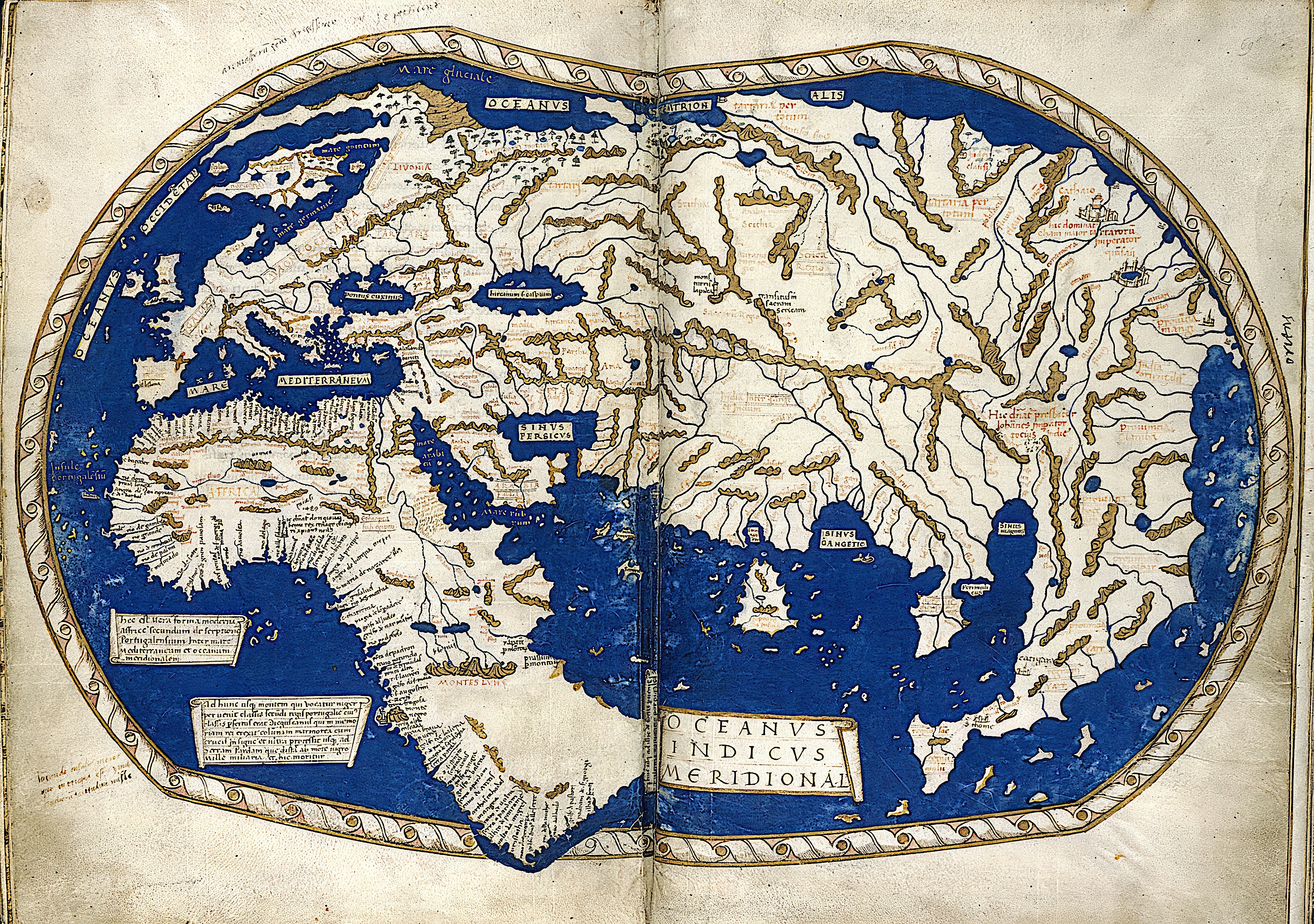
Map Henricus Martellus Germanus 1489
Directors
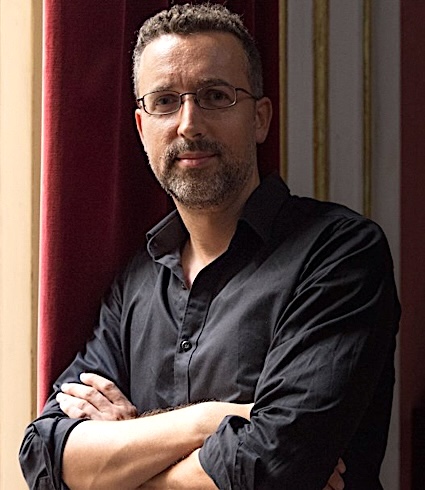
Prof. Dr. Sergi Grau
Research Division Director
- Barcelona (Catalonia, Spain)
- PhD in Philosophy and a degree in History from the Autonomous University of Barcelona (UAB)
- Master in History of Science
- Professor of the History of Science (UAB)
- Member of History of Science Institute
- Member of the Arnaldi de Vilanova opera theologica omnia
- With more than 15 years of experience in the cultural sector
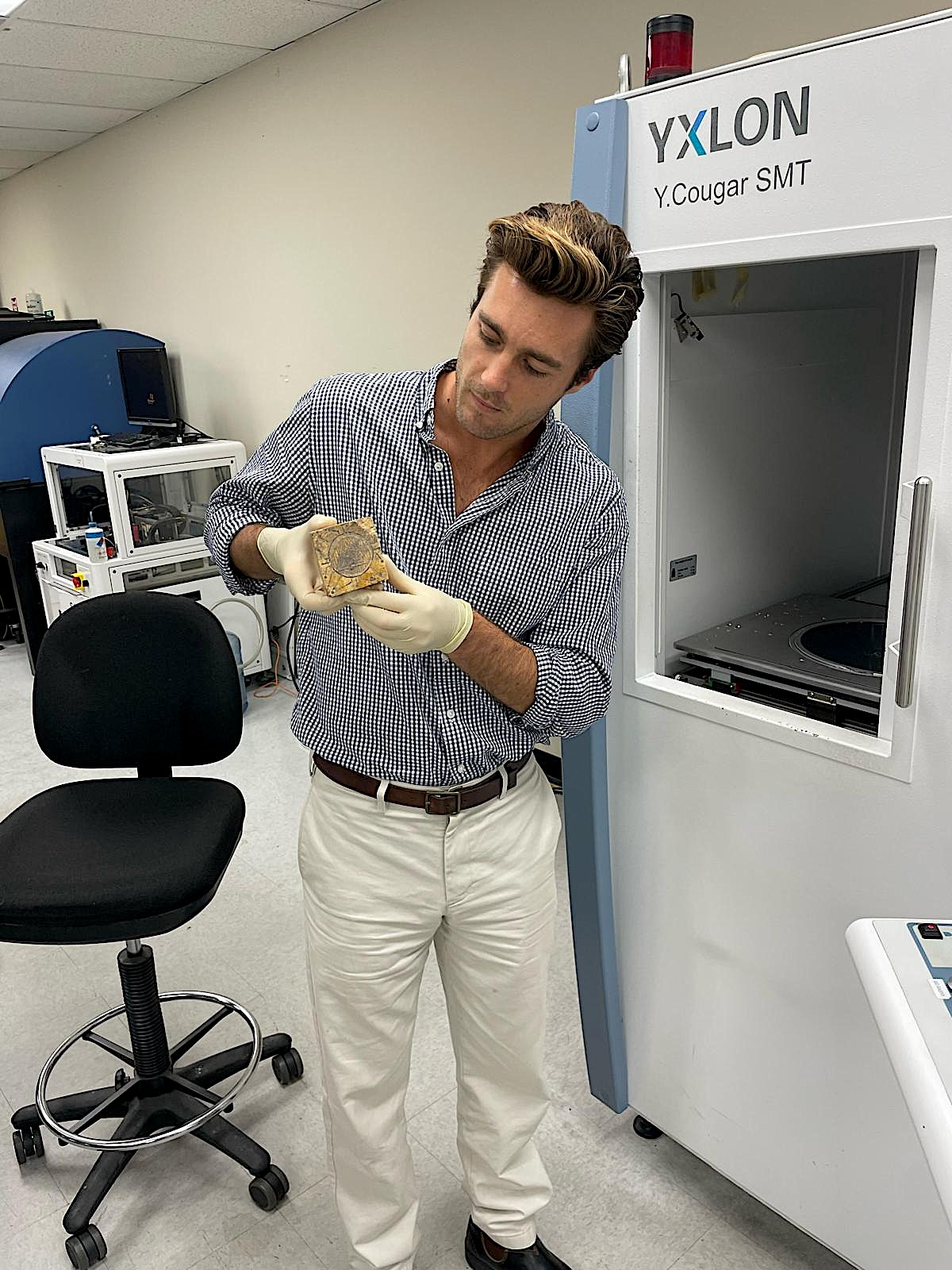
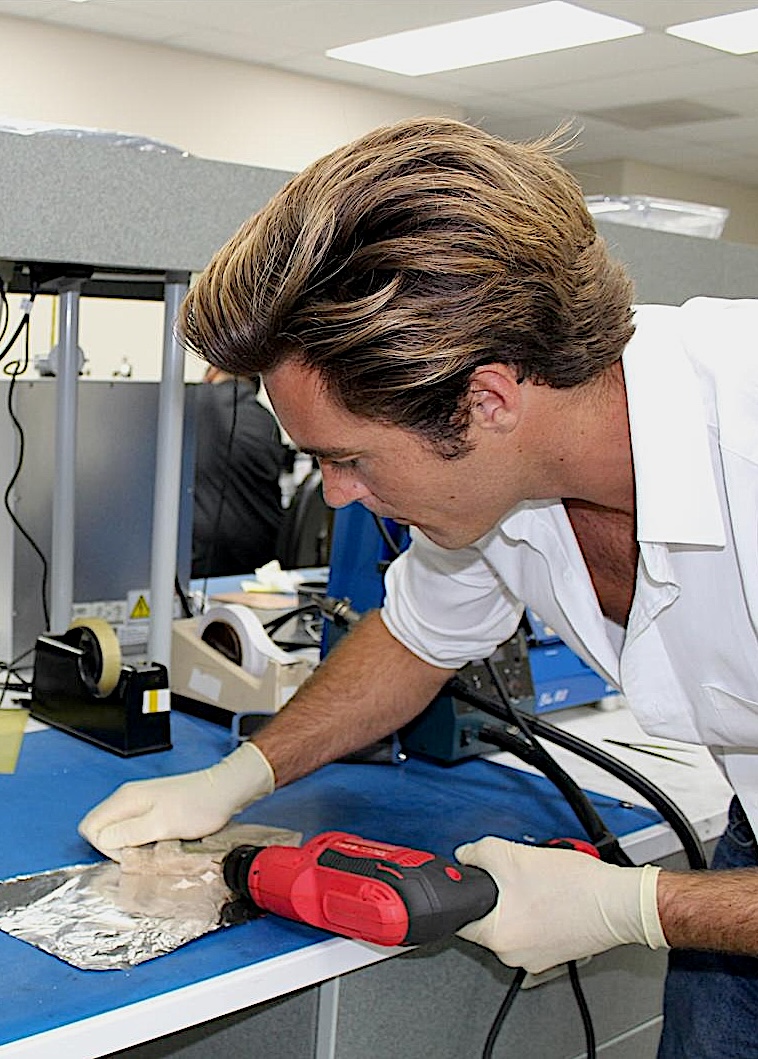
Trevor Hawke
Co-Director of Research Division / R&D
Materials Scientist - Laboratory Technician & Forensic Archaeology Specialist
San Diego, CA (USA)
- Professional
Background:
Trevor Hawke is a highly qualified scientist and laboratory technician whose unique career path has been forged at the forefront of specialized technological research and development (R&D) within the private sector. Since 2017, he has led international interdisciplinary collaborative initiatives, working alongside scientists, archaeologists, and collectors in the study of prehistoric artifacts and lost material cultures.
His innovative approach to materials science acts as a vital bridge between traditional academic research and private sector advancements. He is a pioneer in the application of non-destructive forensic analysis to ancient monuments, providing groundbreaking empirical evidence on the use of advanced engineering technologies, such as geopolymers, in antiquity. - Technical
Training & Professional Development:
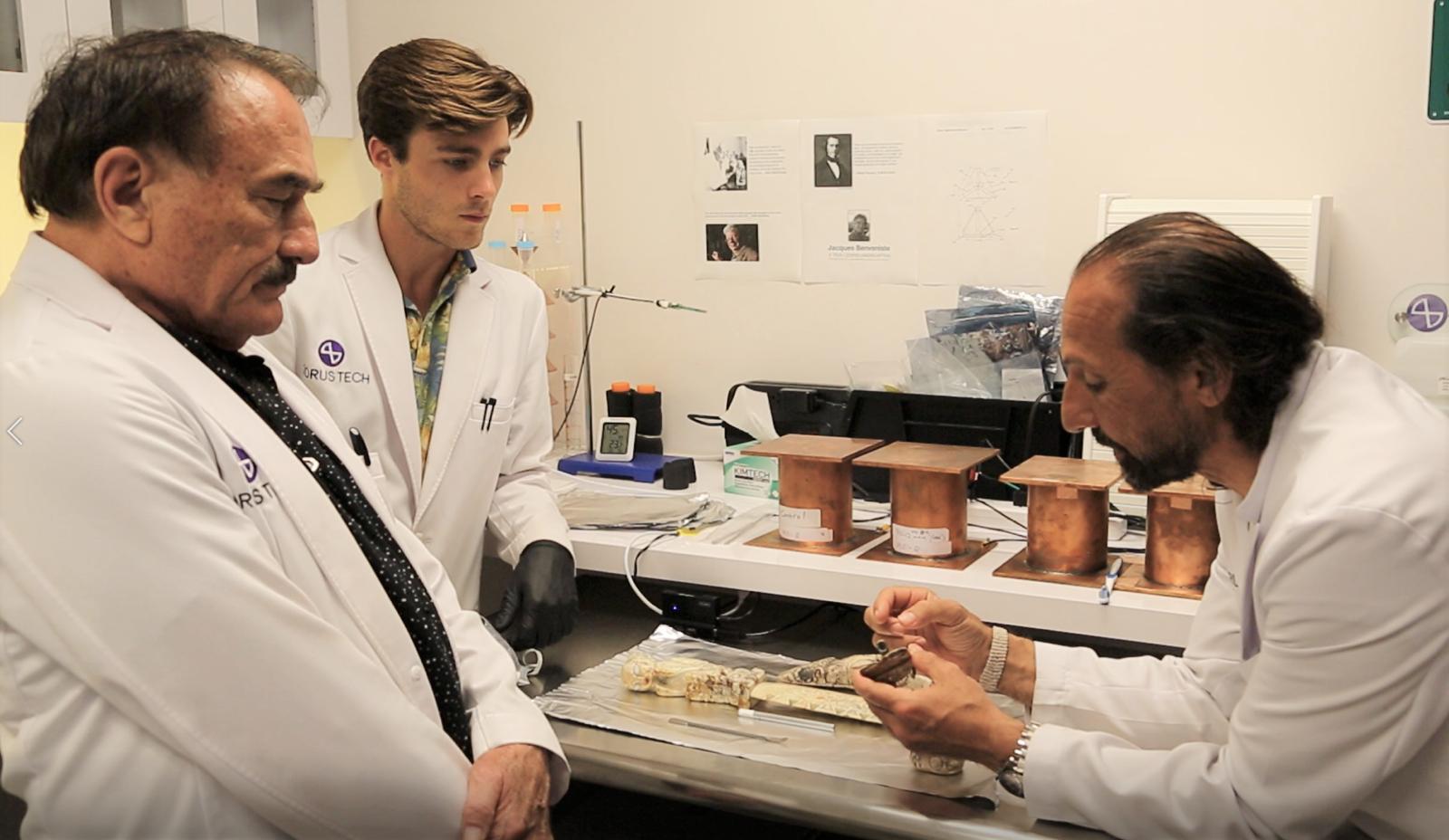
* Specialization in R&D in the Private Sector: Advanced technical training forged through direct experience in high-tech private laboratories, including outstanding collaboration and work alongside researcher Nassim Haramein at his facilities in California (Torus Tech).
* Forensic Materials Investigation: Elite training in the operation of spectroscopy and microscopy equipment for the microscale chemical characterization of archaeological and architectural materials.
FEATURED PROJECTS AND FIELDWORK: TREVOR HAWKE
Megalithic Expedition (Cusco, Peru) (August 2025 – April 2026) Led an unprecedented field investigation to physically and chemically characterize the megalithic monuments of Saqsaywaman, the Koricancha Temple, the Inca Roca Palace and Huaca Sapantiana.Project milestones:
* Ancient Geopolymer Testing: Analytically demonstrated that the Inca polygonal stonework and masonry were cast in situ as artificial stone (geopolymer concrete), revealing perfect molar ratios of silicon/aluminum and a cationic saturation index of 1.00. * Biosignature Discovery: Made the historic discovery of an intact fossilized microarthropod within the stone matrix at Huaca Sapantiana, empirically demonstrating that the rock was mixed and cured at room temperature. * Detection of Radioactive and Chemical Anomalies: Documented artificial enrichments of chlorine (70 times higher than the natural rock) and potassium, as well as extreme radon permeability rates (up to 98.7%), corroborating the use of anthropogenic alkaline catalysts.
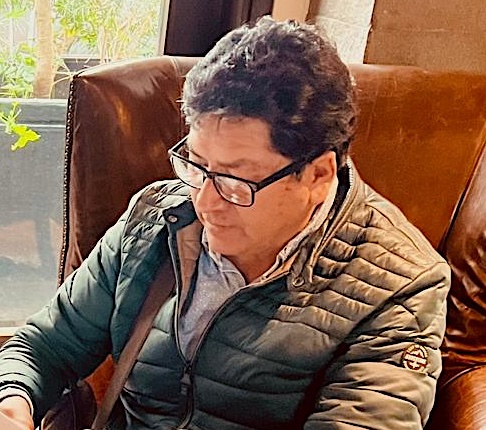
Richard Alegria
Director of Archaeology
- Cusco (Peru)
- Degree in Archaeology from the National University of San Antonio Abad of Cusco - UNSAAC
- Archaeological Research, Archaeological Assessment, Archaeological Rescue, PMAs, CIRAS, and Restoration of Archaeological Monuments
- Museology and Cultural Heritage Management, Inca Garcilaso de la Vega University
- University Teacher, Technological University of the Andes
- Former Head of the National Archaeological Park of Machu Picchu