THE OMPHALOS OF THE WORLD AND ITS MORPHOGENESIS

AGREEMENT WITH THE GOVERNMENT OF PERU


OFFICIAL LEAD ARCHAEOLOGIST CONTRACT SIGNING
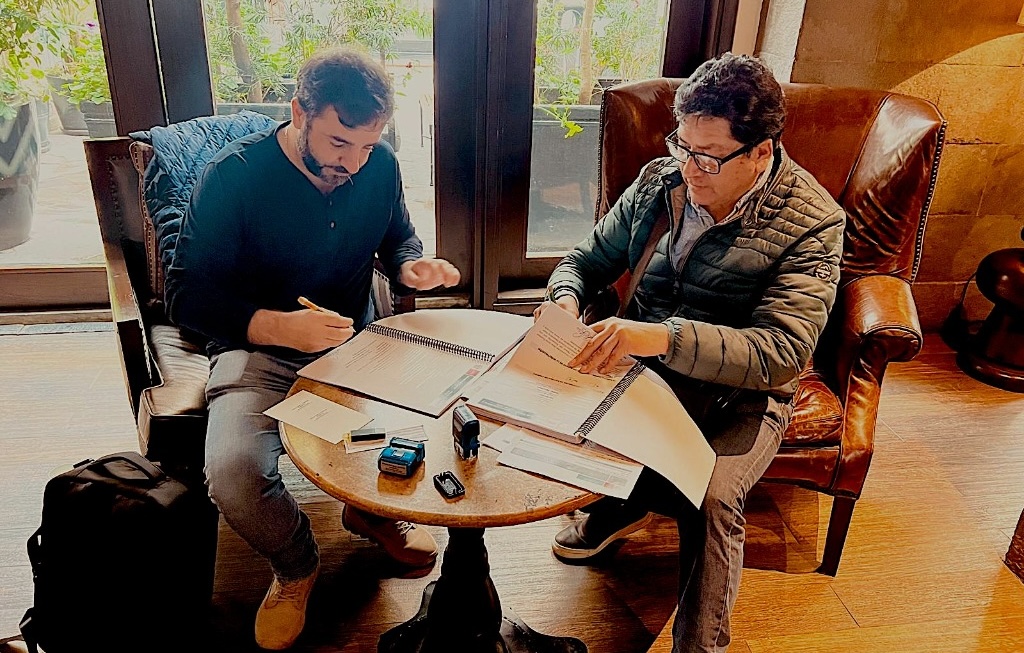
The Archaeological Research Project (PIA)
Following the Agreement with the Decentralised Directorate of Culture of Cusco, the Qosqo Project enters its decisive phase: the PIA, directed by the official archaeologist Lic. Richard Alegría, to verify the Chinkana directly, with the highest protection for heritage.
Non-invasive survey
Ground-penetrating radar and 3D geophysics from the surface, without touching the subsoil.
Endoscopic exploration
Micro-drilling just a few centimetres wide and an endoscopic camera to see inside without opening it.
Controlled excavation
Only if the previous phases confirm it, and with the authorised archaeological methodology.
Conservation and enhancement
Consolidation, recording and scientific study of everything found.
PIA director: Lic. Richard Alegría, official archaeologist · Pi Rambla Heritage Foundation
The Navel of the World
“Cozco, in the particular language of the Incas, means Navel or Centre of the World.”Garcilaso de la Vega
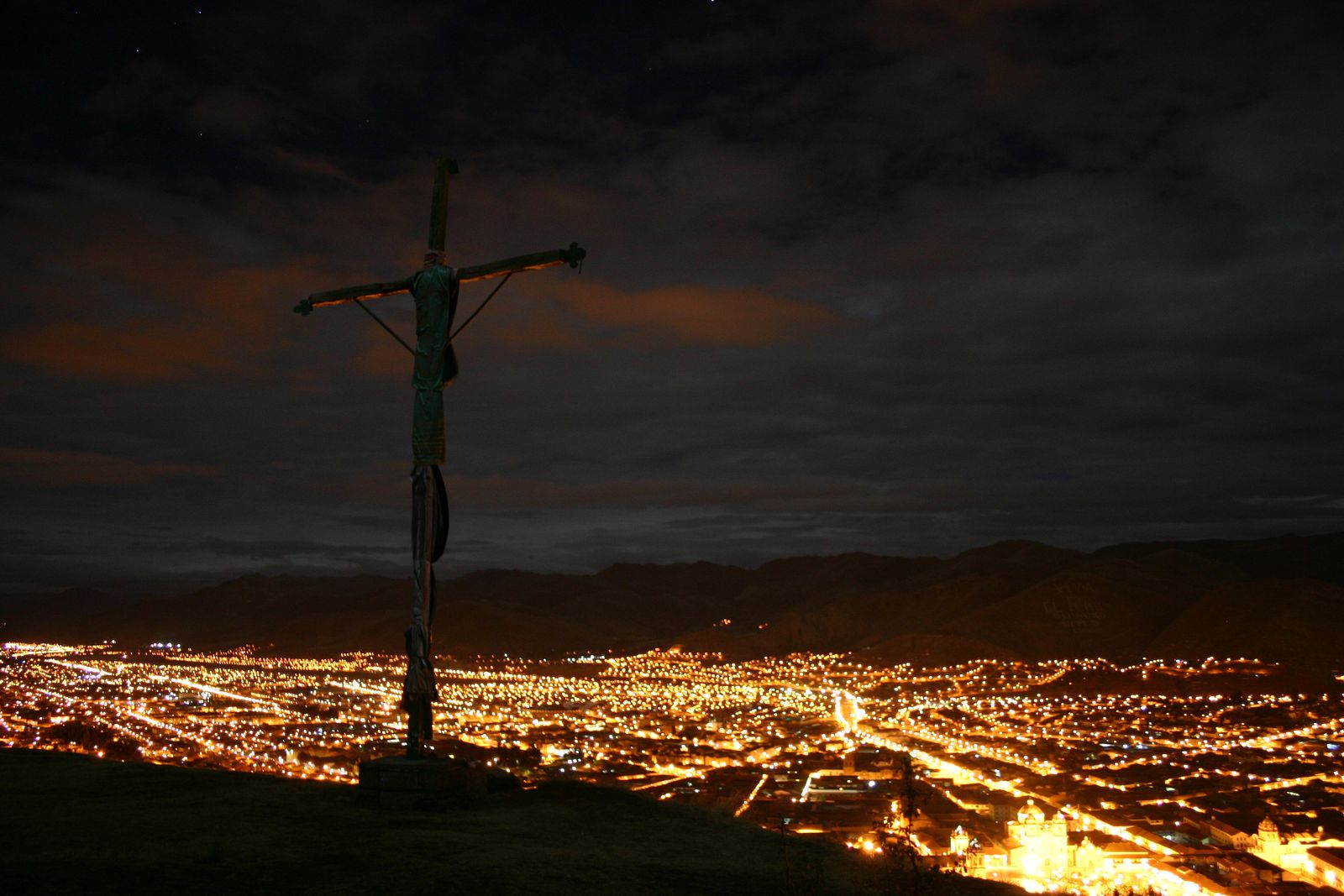
The great city of Cusco, at 3,468 metres above sea level and surrounded by snow-capped peaks, was founded where there was a navel stone rising from a great lake, the Great Freshwater Sea: the foundation stone, the omphalos.
This Mountain of the Sun, a Cosmic Mountain linked to the Pole of the World, is where heaven and earth meet: the Axis of the World, the Axis Mundi. Here, at the point of connection with the Bab Apsû and the Ukhu Pacha, the inner world of the Andes, the three cosmic regions converge: the three Pachas.
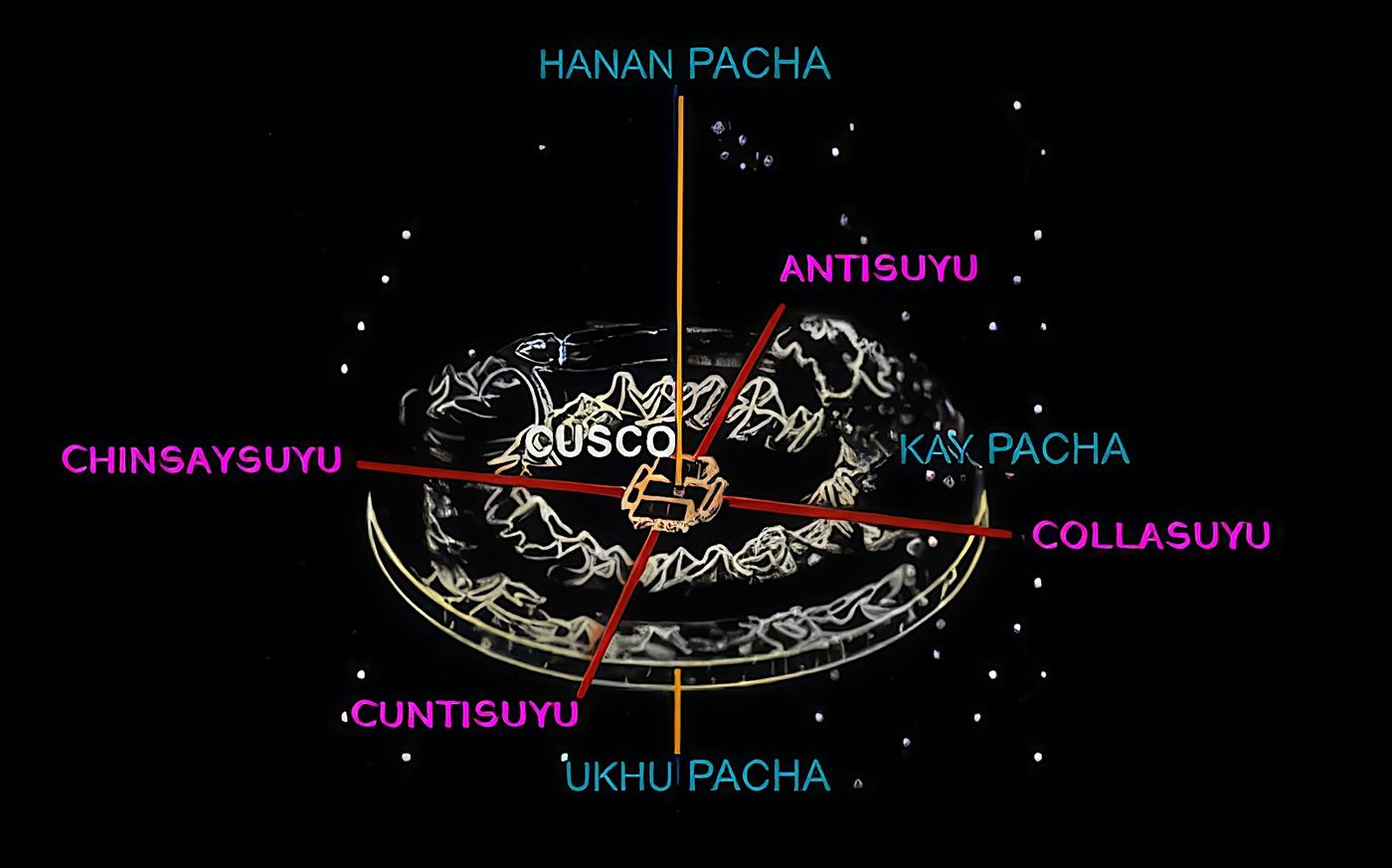
The three Pachas join the four regions of the Tawantinsuyu, the four Suyus, at 45° to the cardinal points. The crossing point forms a system of three axes with a single centre: one vertical, Zenith-Nadir, the true Celestial-Terrestrial Polar Axis, and two horizontal ones at 45°.
It is a Three-Dimensional Cross, with six arms pointing to the six directions of space. In the West it is known as the Solar Cross, and in the Andes as the Tawa Chakana.
The Chakana and the Qhapaq Ñan →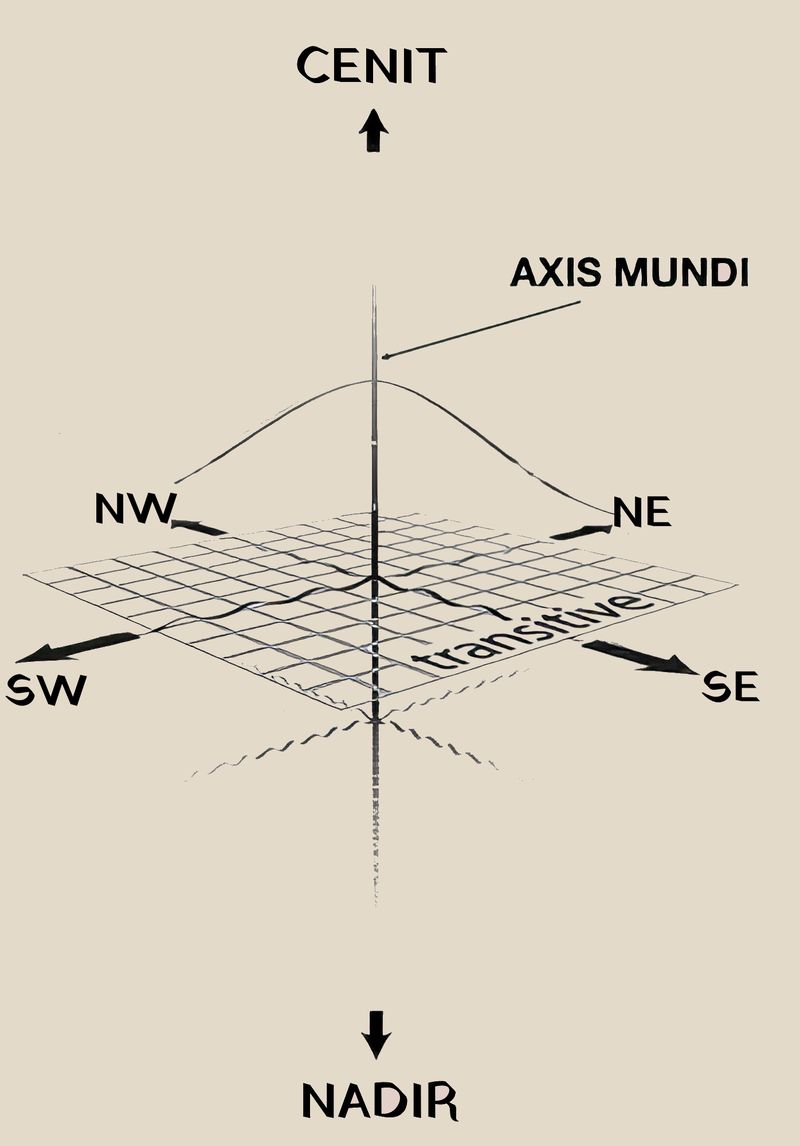
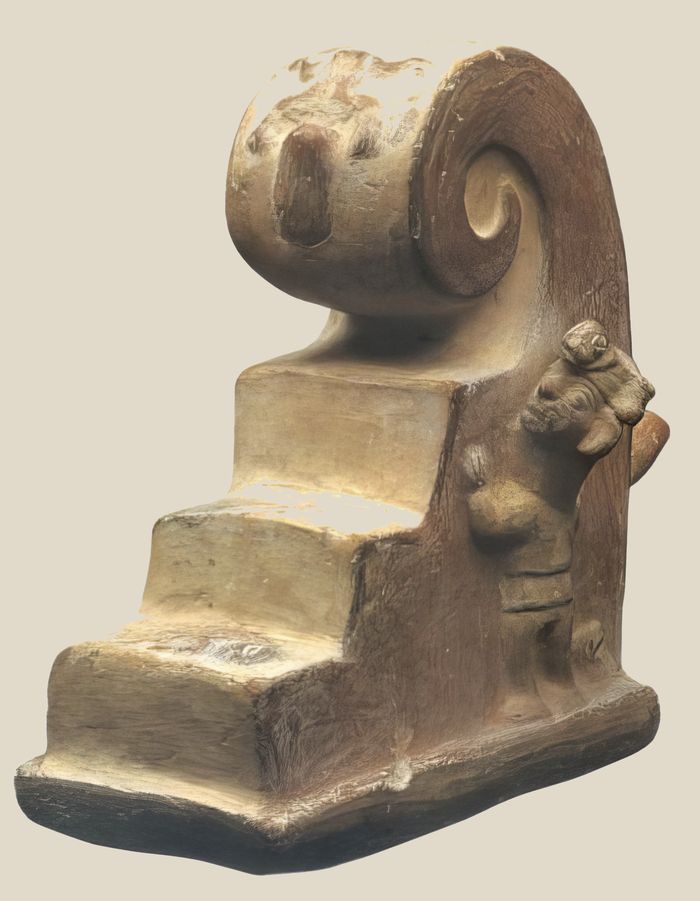
From this Omphalos, the Taypicala or Rock of the Centre, the Wiracochas laid out the vast network of the Tawantinsuyu, with the Qhapaq Ñan as its central axis: a work of engineering built with advanced mathematical, geodesic, astronomical, geophysical and architectural knowledge. The true Navel of the World is created by nature itself, not by man: that is why the Qosqo of the Andes has no equal in the world.

Video: Axis Mundi.
The sacred city
Since the 16th century, the chroniclers have described Cusco as having the shape of a feline: its head was the Solar Citadel of Saqsaywaman, the Tullumayo river ran along its back, and its tail ended in the street still called Pumaq Chupan.
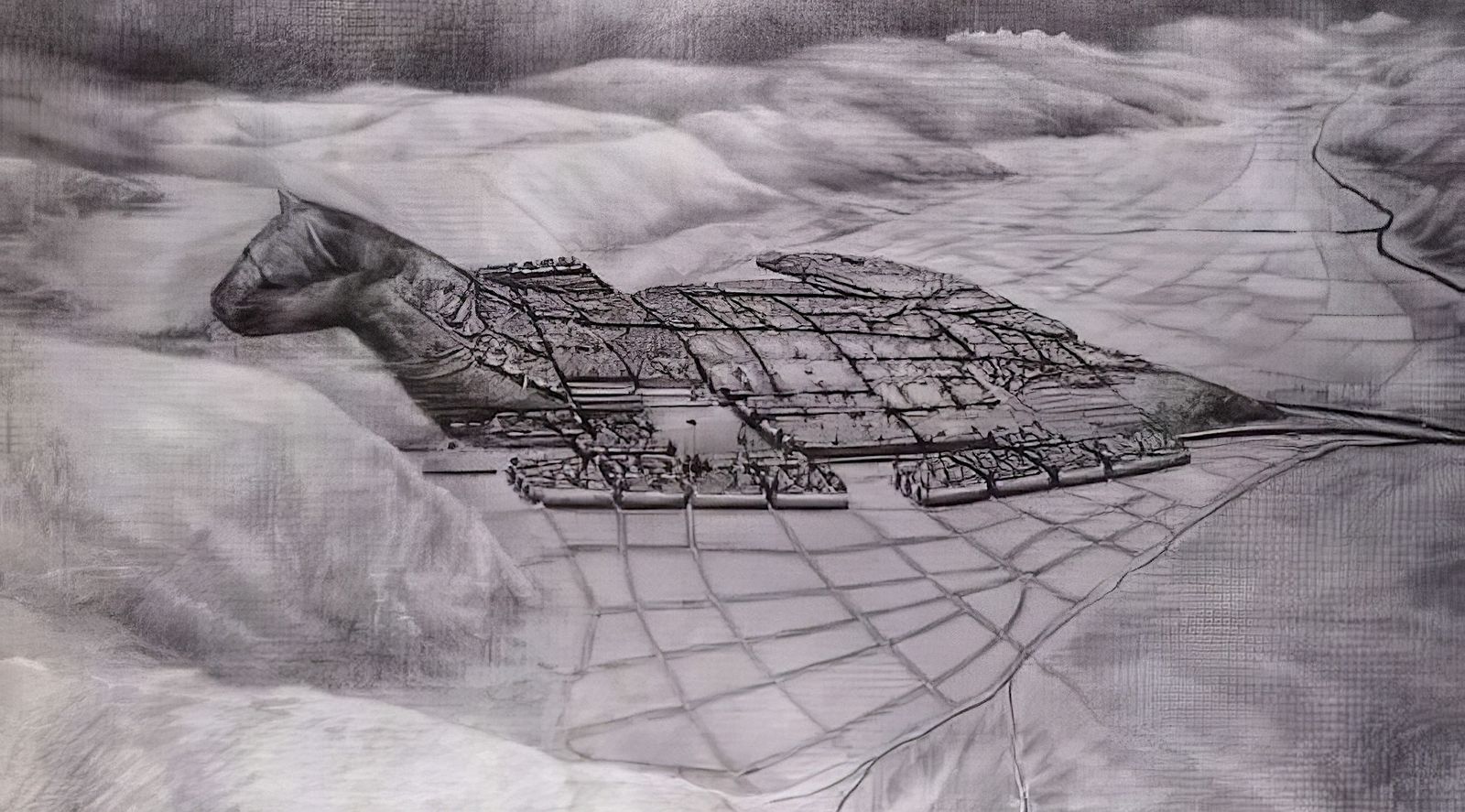
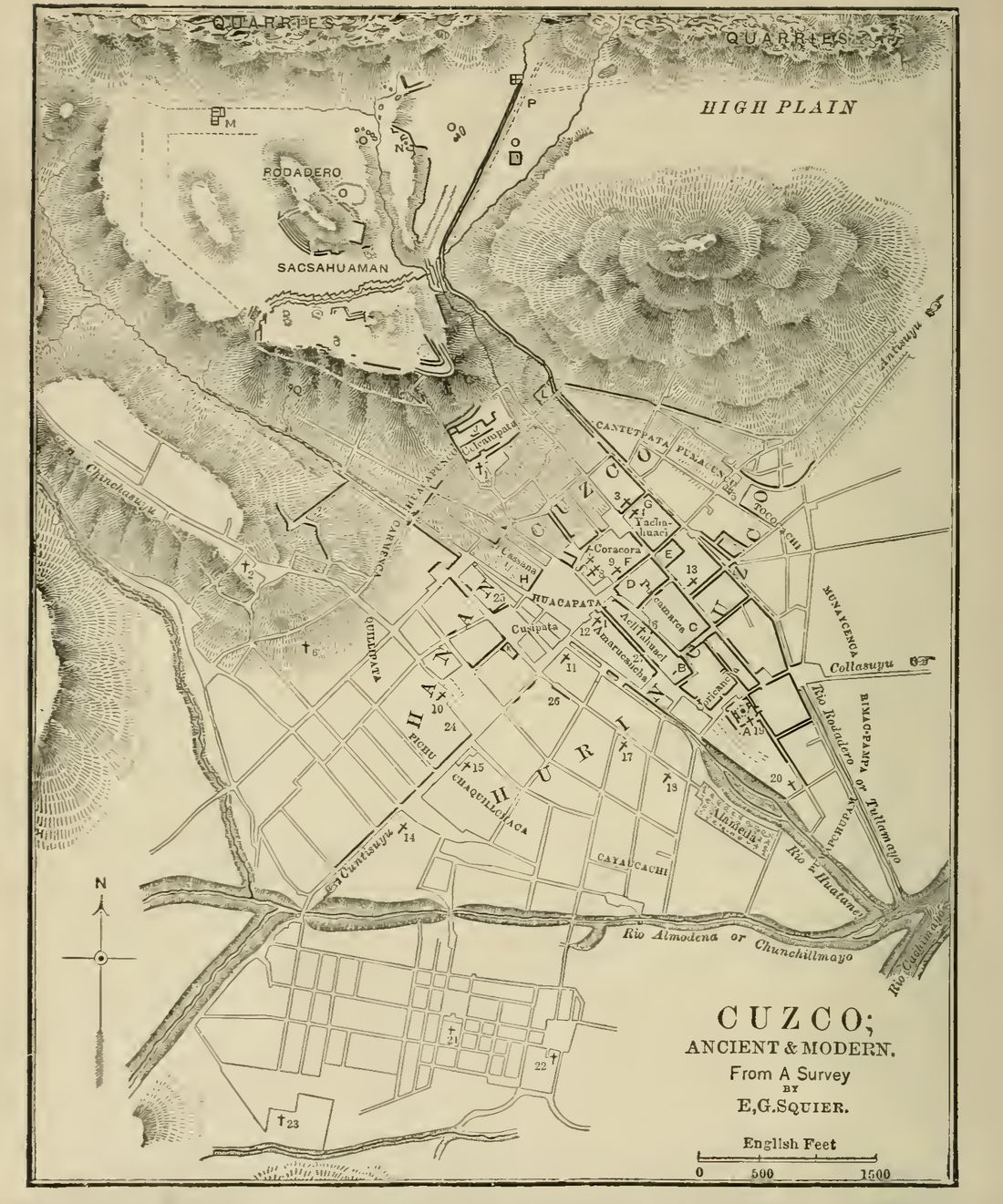
Its splendour dazzled the peoples of the Americas: it gave rise to the myths of El Dorado and the Sierra de la Plata. The destruction of temples and palaces, and the rebuilding after the earthquakes of 1650 and 1950, completely changed its original appearance. Even so, in 1950 the Inca walls of the Koricancha held where the colonial church collapsed. The test of the earthquakes →
Saqsaywaman, the Celestial Jaguar
In the hymns to Wiracocha, the god is called Cam Cuzco Capaca: “You are the King of Cuzco”. His most figurative names are the Luminous Feline, the Celestial Jaguar, Kon Tiki, the Feline of Fire.
It is no coincidence that the city has the shape of a feline: Saqsaywaman, the Solar Citadel, is exactly its head, the Celestial Jaguar that represents Wiracocha, the Lord of Measures, Illa Ticci Wira Cocha: Illa, fire; Ticci, earth; Wira, air; Cocha, water.
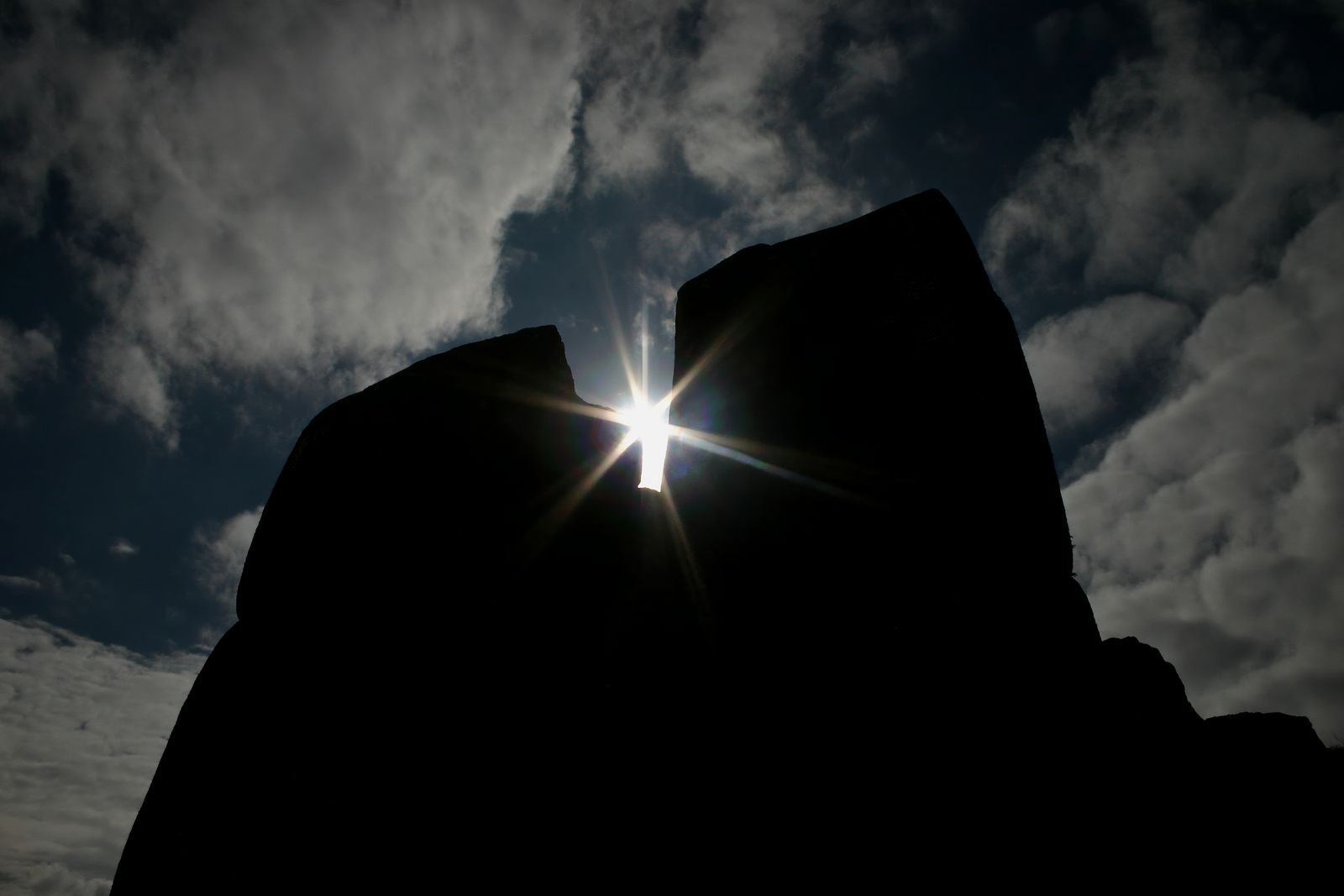
Its three zigzag walls represent the three Pachas: the first, the Ukhu Pacha, the Inner World; the second, the Kay Pacha, our world; the third, the Hanan Pacha, the Cosmos. According to the amautas, its original builders were the Wiracochas, the beings of the Primordial Solar Race; the Incas later built on their remains.
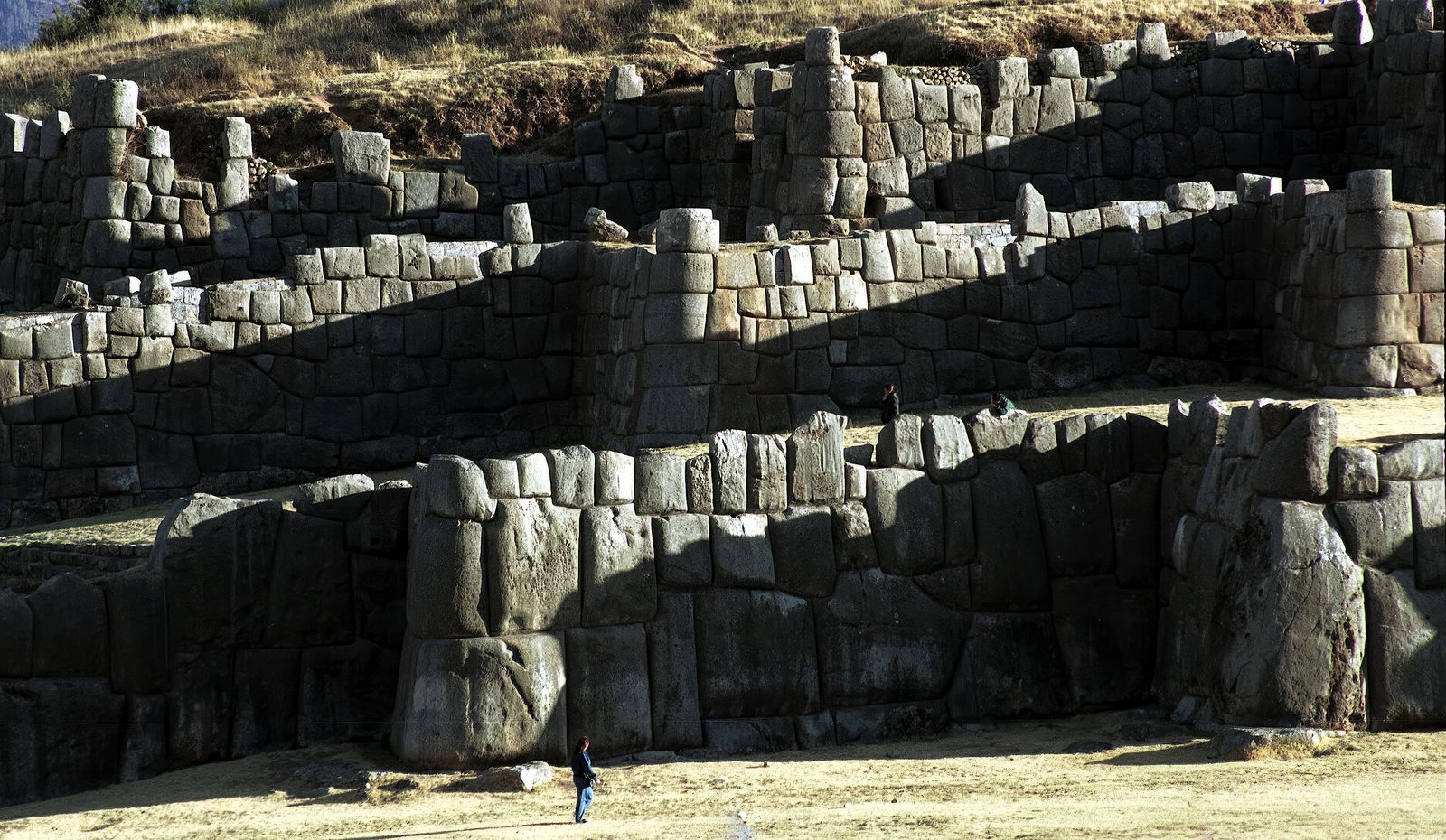
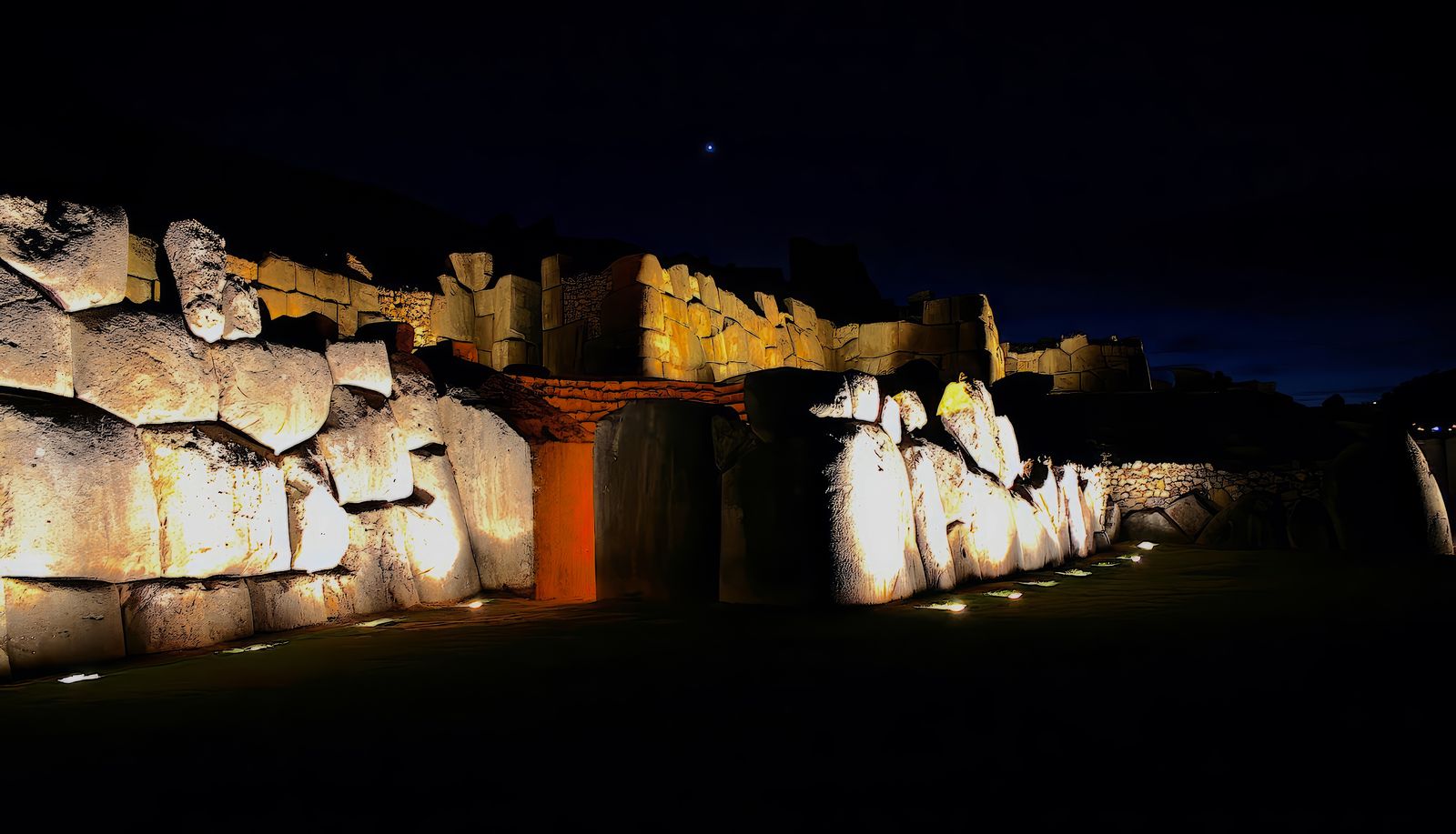
The first wall was raised with blocks of 10 to 20 tonnes, some reaching 200 to 300 tonnes: polygonal, perfectly fitted, without mortar. Pedro Sancho, the first Westerner to describe Cusco, in 1534, wrote that “neither the bridge of Segovia, nor other buildings made by Hercules or the Romans, are so worthy of being seen”.
“Beneath the towers there was as much built underground as above… with so many streets and alleys crossing from one side to another, twisting and turning… that, a short way into the labyrinth, people lost their bearings and could not find the way out.”Garcilaso de la Vega · Royal Commentaries
The Chinkana
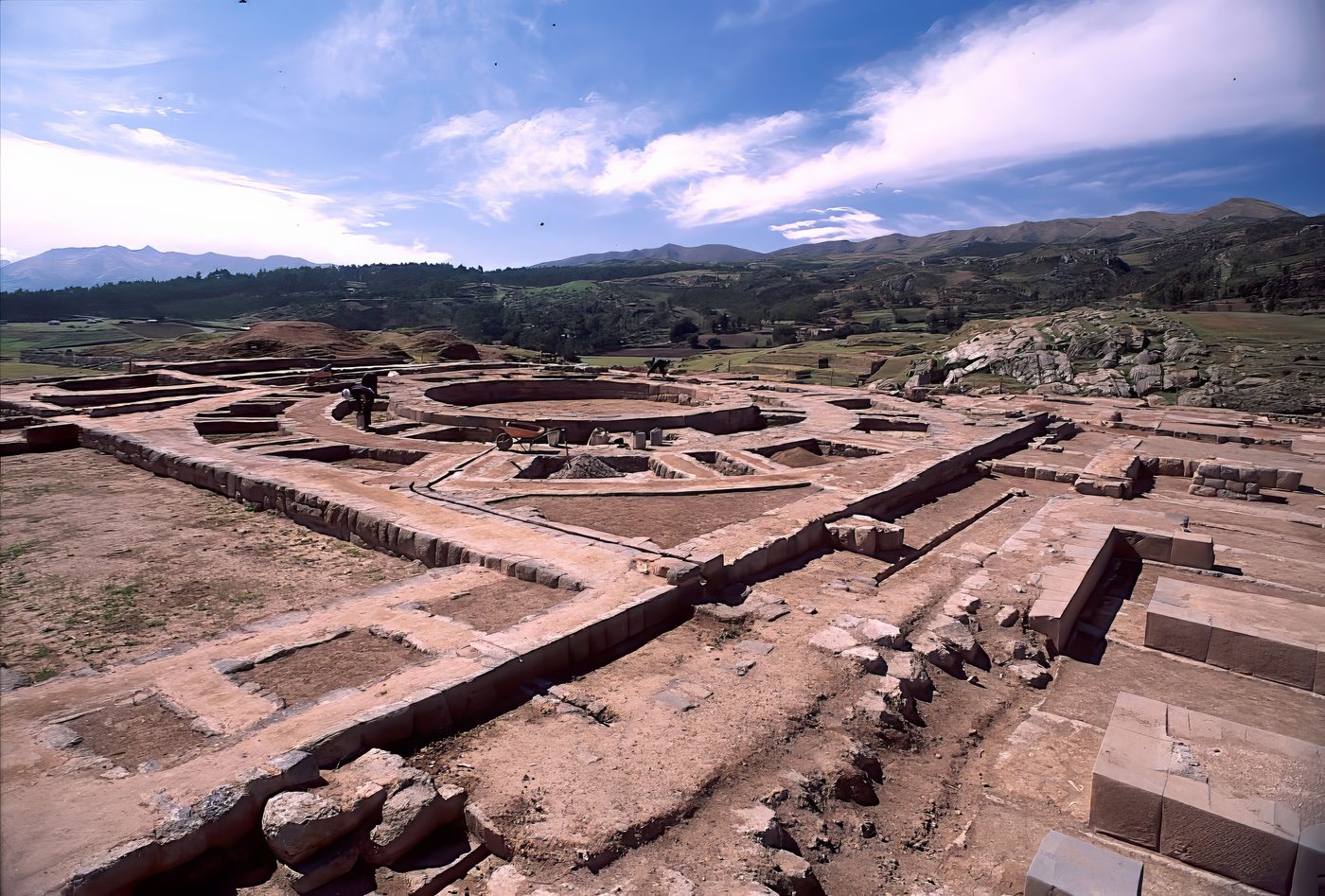
Opposite the cyclopean walls, in the Rodadero sector, at the foot of the “Inca's Throne”, lies the entrance to the Chinkana Grande, the Labyrinth, which connects with the labyrinths of Saqsaywaman and, in turn, with the Temple of the Sun of the Incas, the Koricancha.
In the early 20th century the authorities closed off the area to prevent accidents in these dangerous tunnels. The entrance to the caves was dynamited and sealed with a stone wall, and over time its location was forgotten.
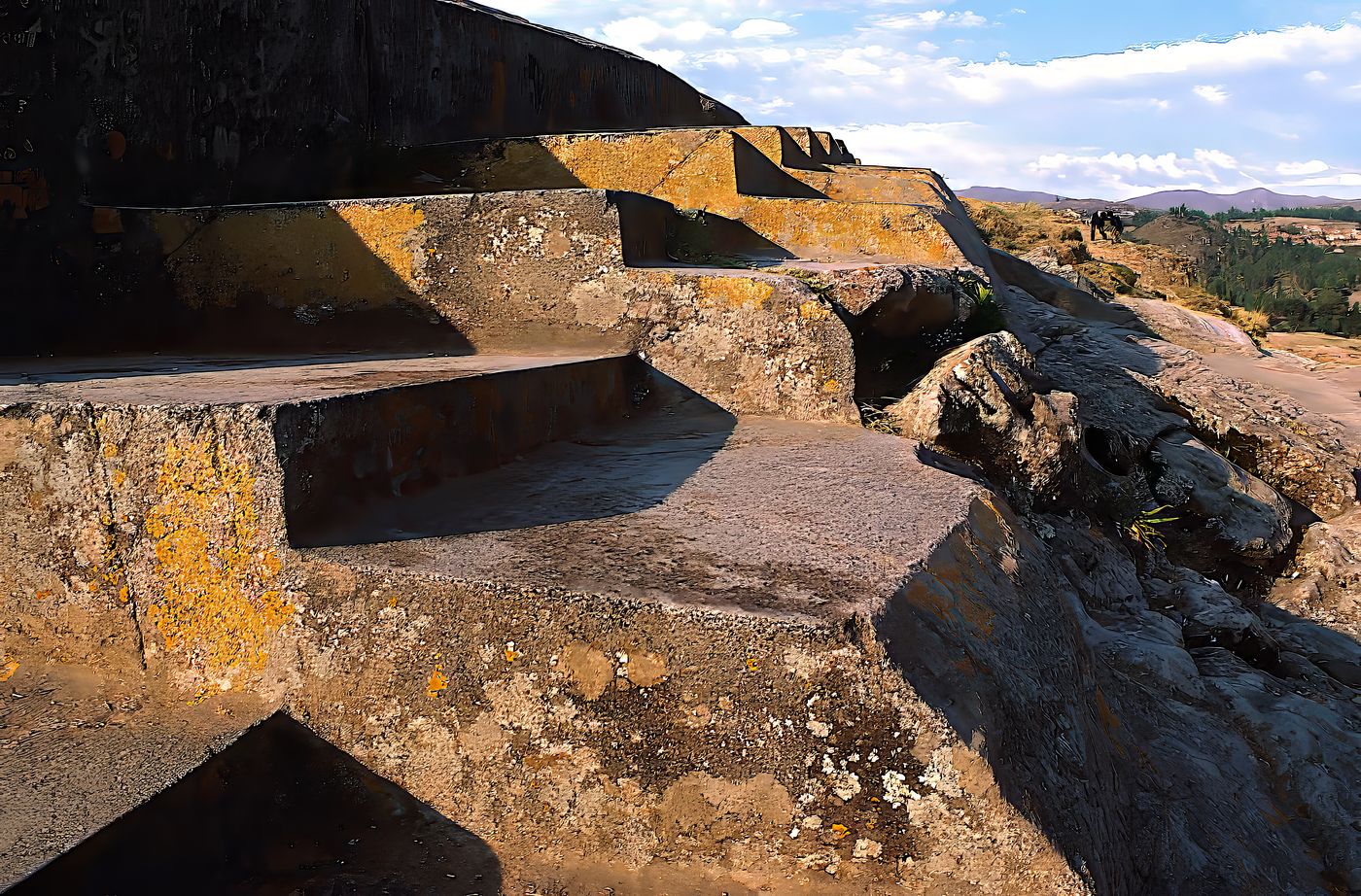
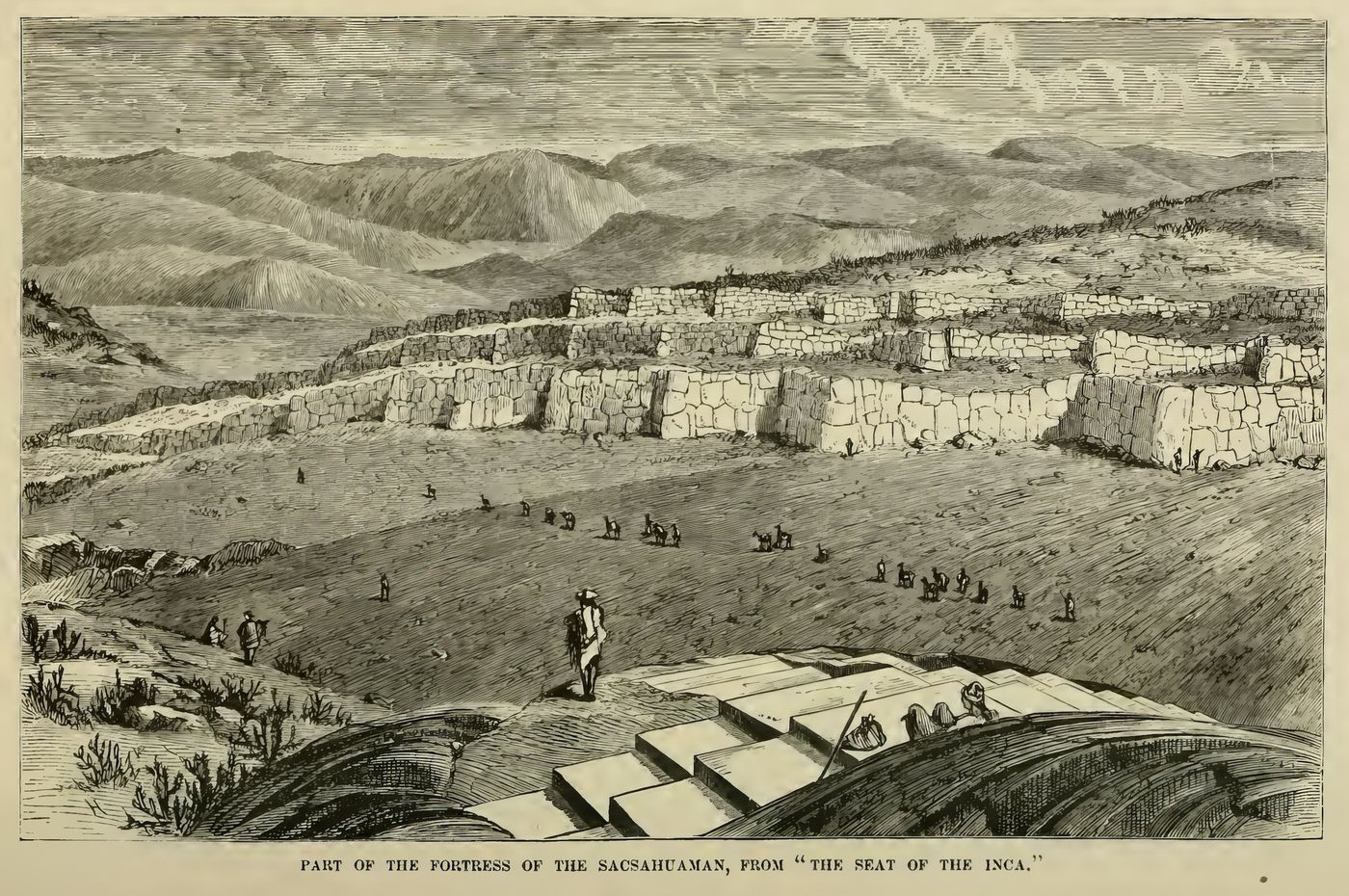
The access points to the Ukhu Pacha were the Koricancha, today the convent of Santo Domingo, and specific points of the Citadel of Saqsaywaman. From the Koricancha, a tunnel connected the Temple of the Sun with the Solar Citadel, passing the palaces of the rulers. According to significant reports, through these galleries, the chinkanas, the Incas managed to escape the conquistadors, and perhaps hid a great part of their gold and silver treasures in them.
The existence of the Sacred Chinkana has been detected with a state-of-the-art georadar and advanced 3D software systems, which have located the tunnel, of prodigious workmanship, with its exit at a precise spot in the convent of Santo Domingo.
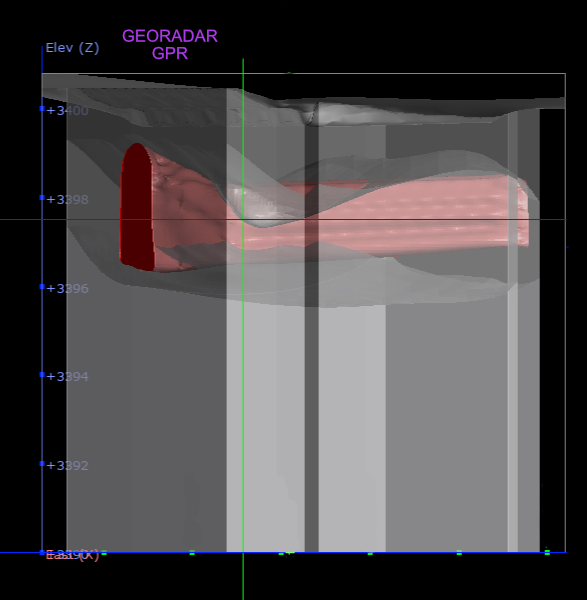
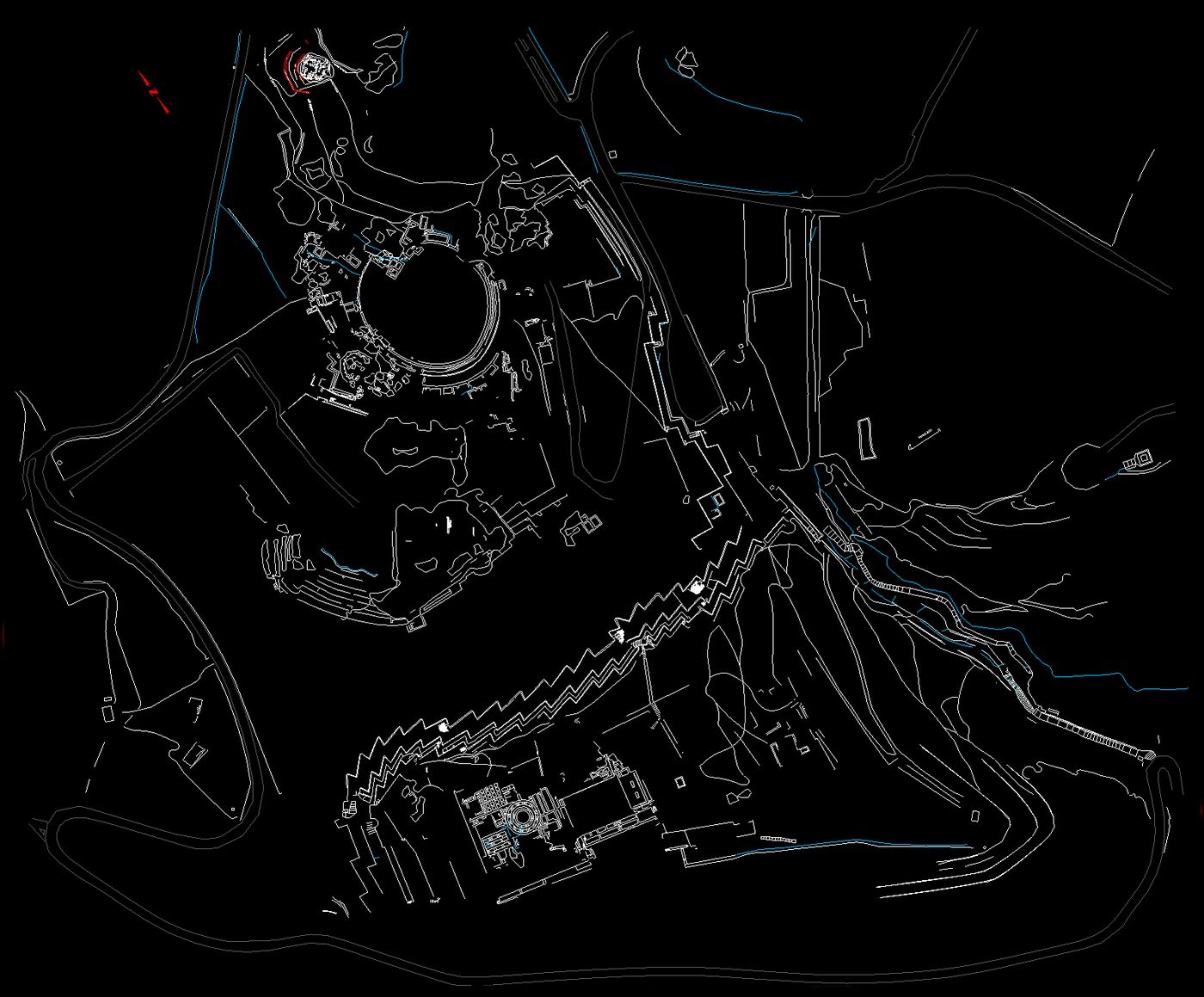
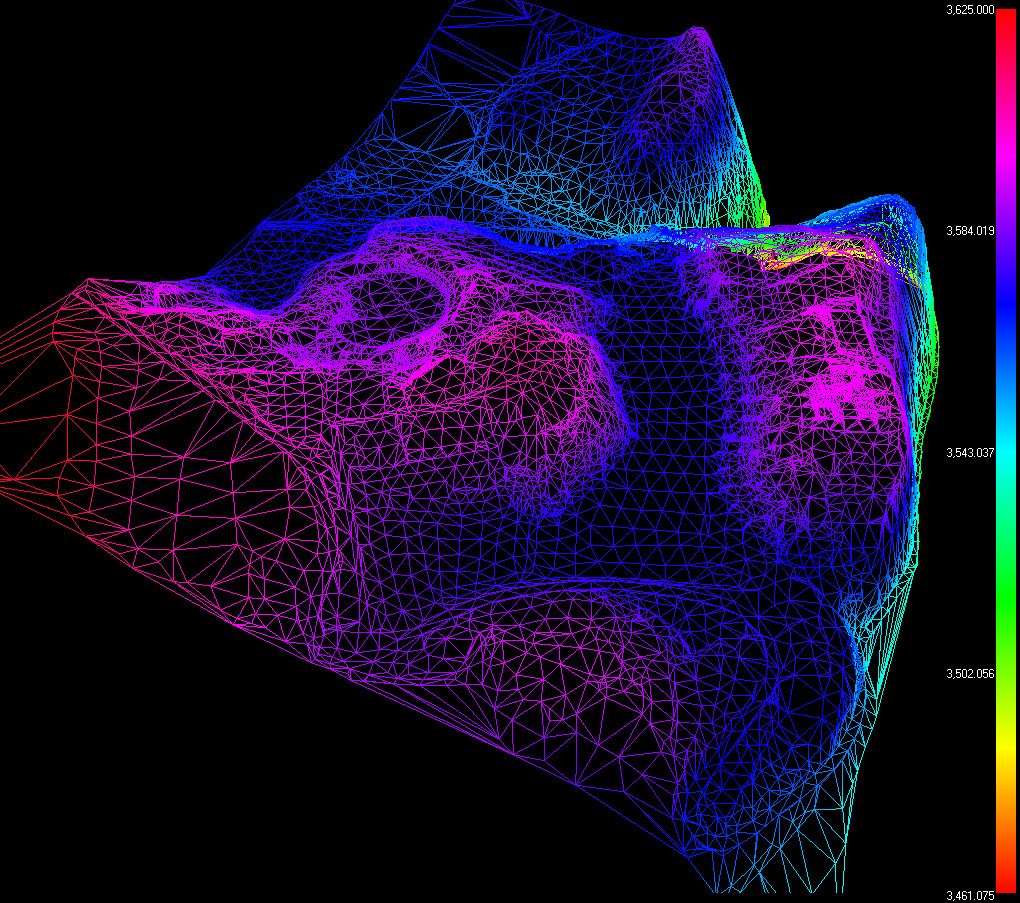
When the Chinkana is opened, Trevor Hawke will lead the study of its stone. Were the stones of Cusco carved, or made?
The excavations
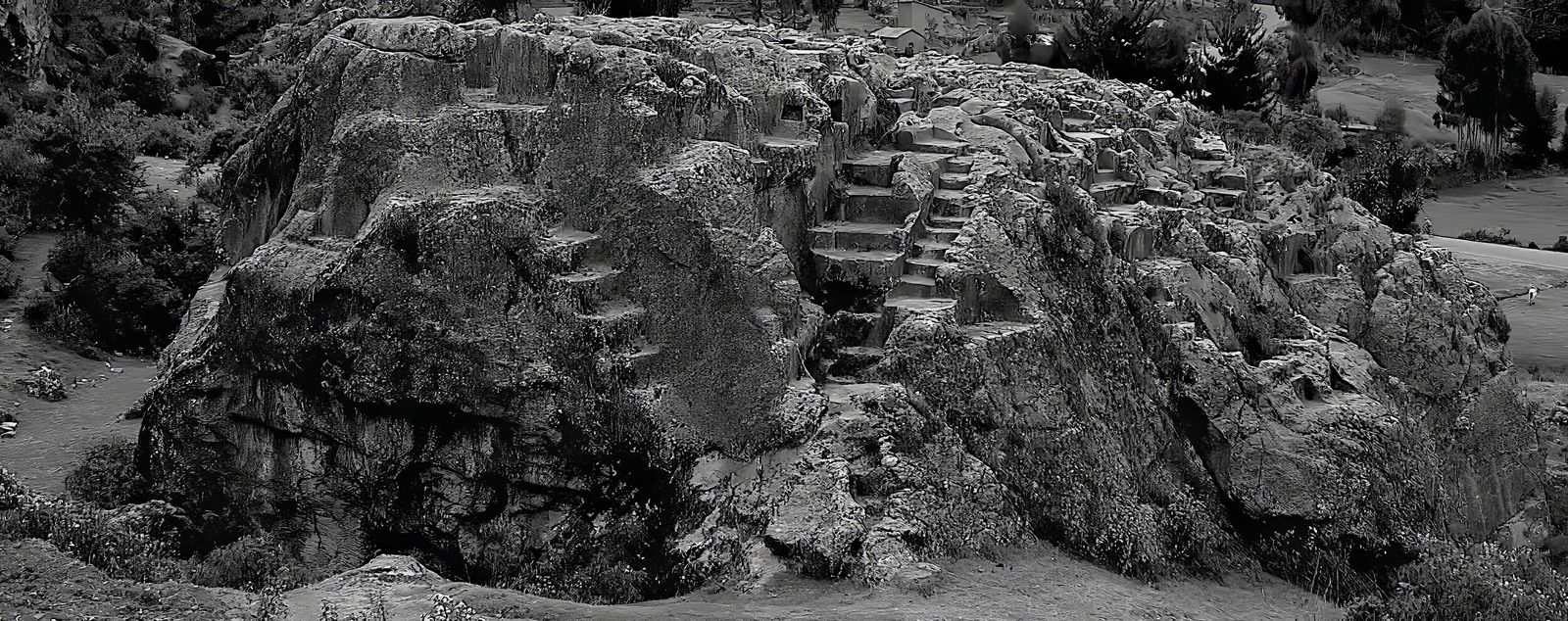
Between 2000 and 2003, the Pi Rambla team excavated at the Koricancha and at Saqsaywaman, in the Baluartes, Rodadero-Suchuna and Qollaconcho (Tired Stone) sectors.
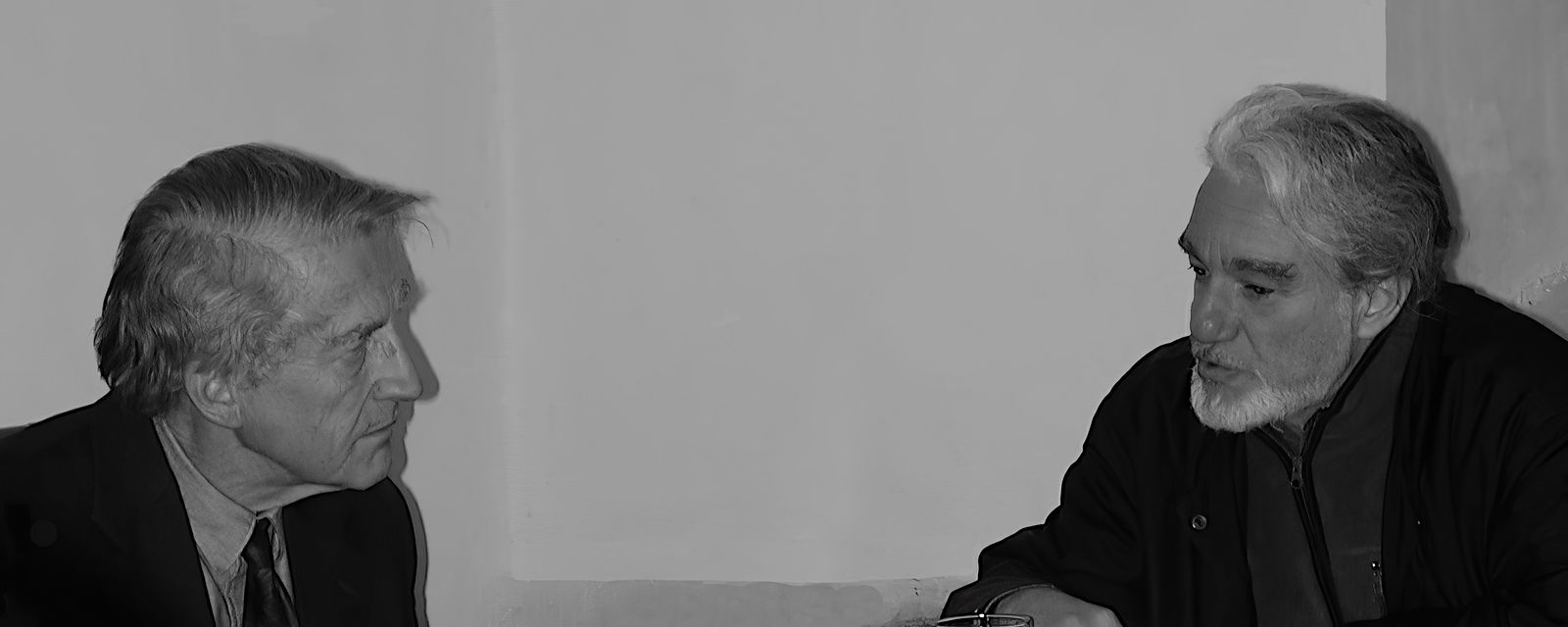
At Qollaconcho an important Inca huaca belonging to a royal panaca was discovered. The anthropologist Tom Zuidema (1927-2016), professor emeritus at the University of Illinois and one of the leading specialists in the ceque system of Cusco, analysed it with Anselm Pi Rambla in 2002.
The project archive
The original data from the 2000-2003 excavations at the Koricancha and Saqsaywaman: topography, archaeoastronomy, reports, testimonies and historical documents. Thirteen archives, freely available.

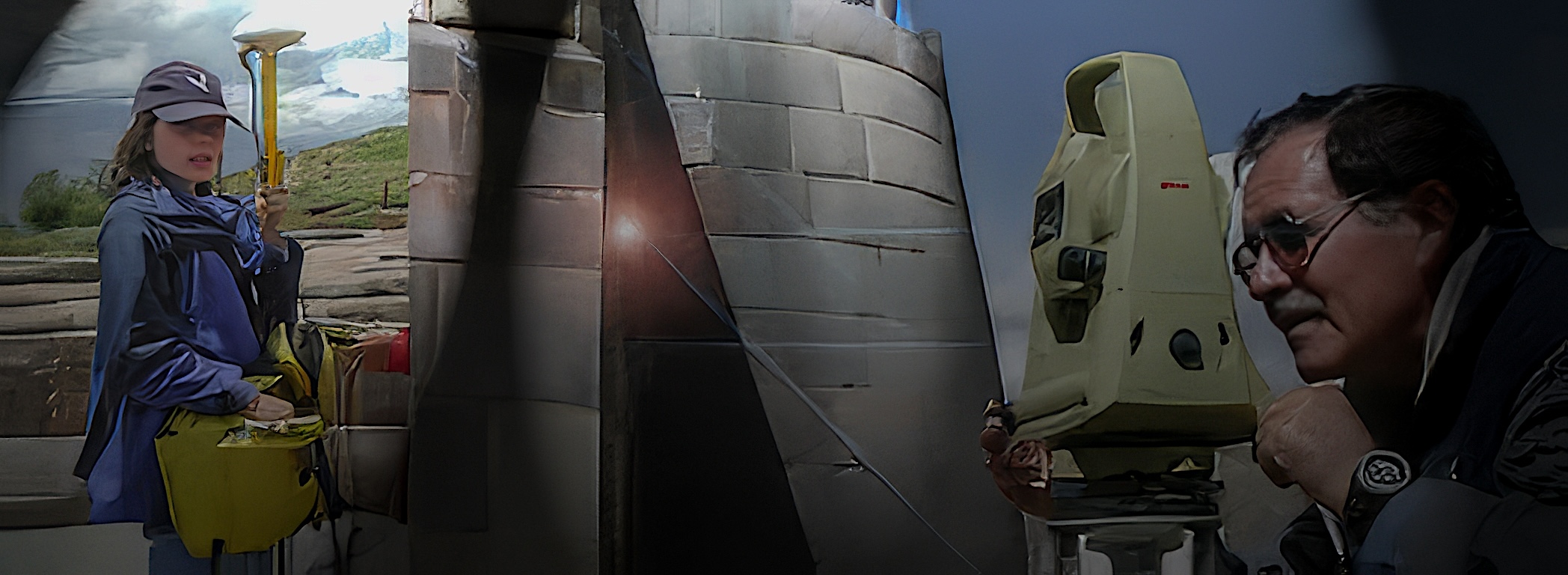 Featured archive · Archive 07The topography and ground-penetrating radar of the KoricanchaTopographic survey of the convent of Santo Domingo and the Koricancha, carried out by professional surveyors with a Leica TC-650 total station and a Wild T2 theodolite, in UTM coordinates: floor plans, elevations, five cross-sections, contour lines every 0.50 m and a three-dimensional AutoCAD model. Work of this precision had never been done at the Koricancha. It includes the technical data of the 2000 ground-penetrating radar (GSSI SIR-2 console): 2,052 profiles with antennas of 100, 200 and 400 MHz.In the photo, next to the Leica total station, a team member works with a sub-metre Trimble GPS, taking satellite position points along the entire route between the Koricancha and Saqsaywaman.Open archive →
The 2000-2003 excavations
 Archive 09The historic agreementThe agreement with the National Institute of Culture and the Dominican Order that made the excavations possible.Open archive →
 Archive 10Excavations at the KoricanchaBeneath the church of Santo Domingo: the foundations of the Hall of the Sun, the crypts and the ground-penetrating radar survey.Open archive →
 Archive 11Excavations at SaqsaywamanThe Baluartes, Rodadero-Suchuna and Qollaconcho (Tired Stone) sectors.Open archive →
 Archive 12The final reportThe report on the 2000-2003 excavations and its conclusions.Open archive →
Technical data
 Archive 08The Solar DrumThe curved wall of the Koricancha and its archaeoastronomy, with the University of Oviedo.Open archive →
 Archive 03Temples and palaces alignedThe orientation of the temples and palaces of Cusco, measured, and the 22.5° of the Ch'ekkaluwa.Open archive →
Documentation and history
 Archive 01The Andean Axis MundiCusco as the Axis of the World in Andean cosmology.Open archive →
 Archive 02Chinkana testimoniesThose who entered the Chinkana, and the TV Cusco (2000) and HBO (2001) interviews.Open archive →
 Archive 04The Chinkana and the labyrinthsWhat the chroniclers tell of the Chinkana and the labyrinths of Cusco, with archival documents.Open archive →
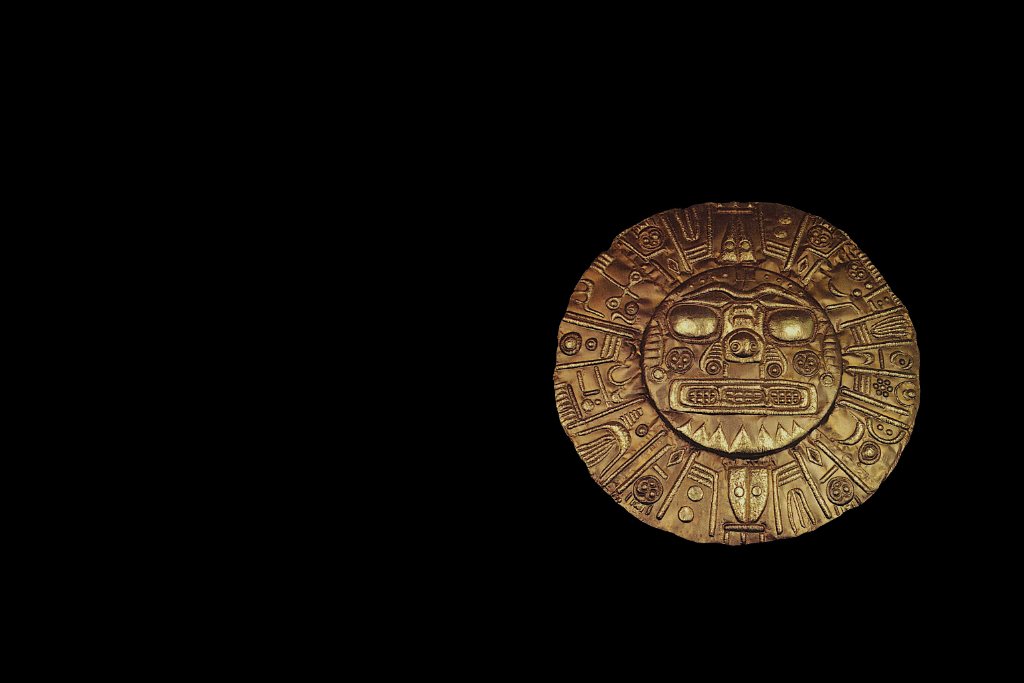 Archive 05The Inca goldThe legend of the Inca gold in the testimonies of Pizarro, López de Gómara and other chroniclers.Open archive →
 Archive 06Andean mythologyThe legends of the inner world of the Andes.Open archive →
 Archive 13Blog and newsNews, press and media coverage of the project.Open archive →
The Capaccuna
The Capaccuna, the Camasca Amauta Runa, were the great Andean sages: architects and astronomers who preserved and extended the legacy of the Qhapaq Ñan, the Path of the Just, for more than 5,000 years, down to the time of the Incas.
They held that their knowledge was the legacy of a very advanced civilization: the Wiracochas, the civilizing gods who taught them building, astronomy and agriculture. Chroniclers such as Pedro Pizarro and Fernando Montesinos mention them, and their advance from south to north is supported by María Rostworowski and Arthur Posnansky, for whom Tiahuanaco was their “Original Homeland”.
“Everyone knows that the Andean tradition affirms the existence of an ancient wisdom, concentrated in the Amautas. But whoever consults the chroniclers to learn its content is deeply disappointed.”José Imbelloni · 1942
The myths of the founding of Cusco are encoded. The golden staff with which Manco Cápac founds the city, where it sinks into the earth, is the Tupac Yauri, Wiracocha's radiant sceptre: the image of the Axis Mundi itself, anchored in the Navel of the World. And the anthropologist Tom Zuidema, one of the leading specialists in the ceque system, held that the Incas, from Manco Cápac to Túpac Yupanqui, were not historical figures who succeeded one another in time, but simultaneous social positions, linked to the panacas and the ceques of Cusco. The anthropologist Juan Ossio Acuña, Peru's first Minister of Culture (2010), shares this view.
The return of Inkarri
The secret tradition of the Andes speaks of the Pachacutis, the overturnings of time. The last one, negative, came with Francisco Pizarro and the fall of the empire. The new Pachacuti, positive, begins in the early 21st century: our own time.
It is the cycle of the opening of the most sacred place of the Andean tradition and of the return of Inkarri, the meeting of the Eagle of the North with the Condor of the South: not the union of the peoples of the Americas spoken of today, but the return of Wiracocha to the Andes.
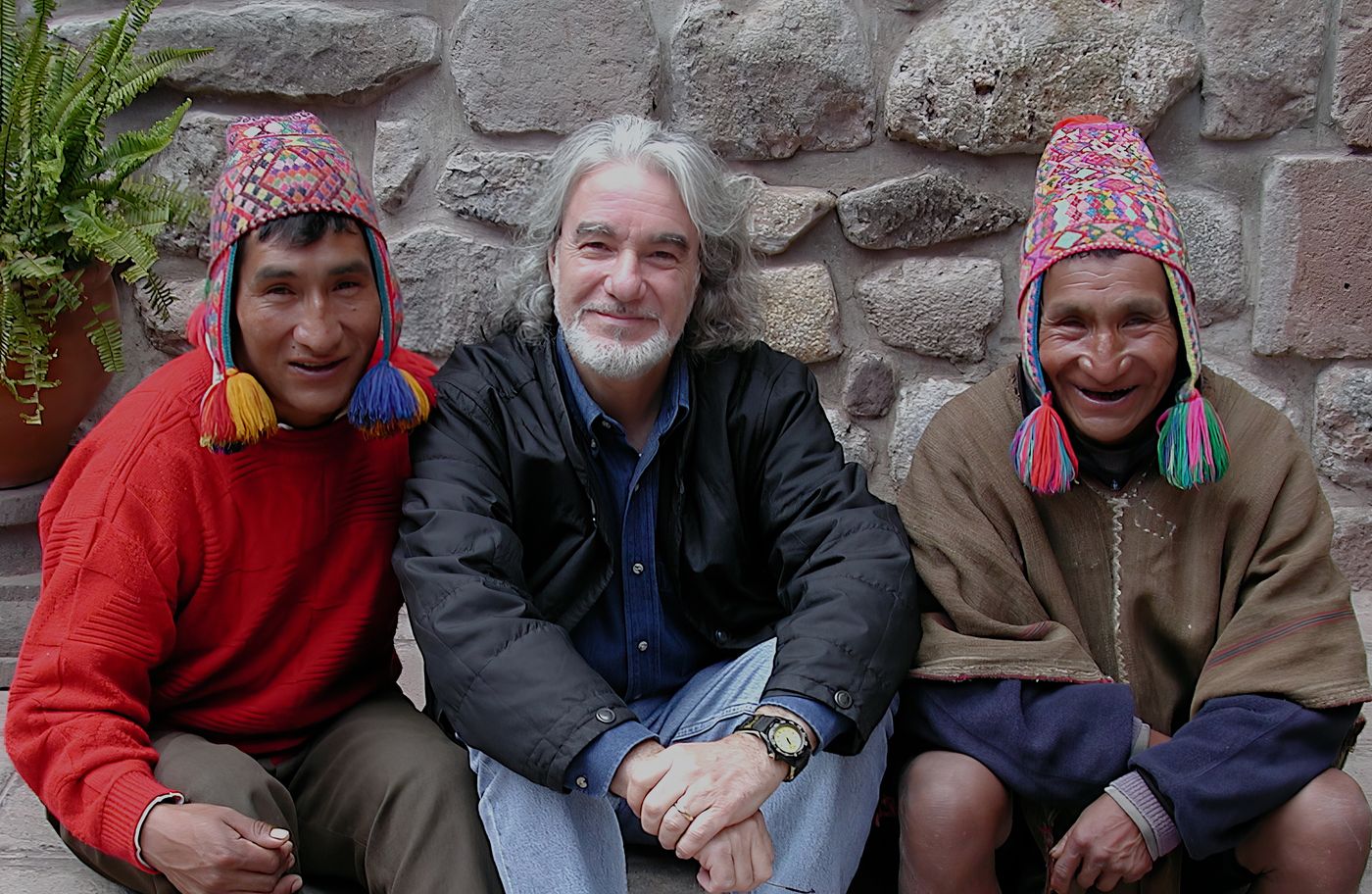
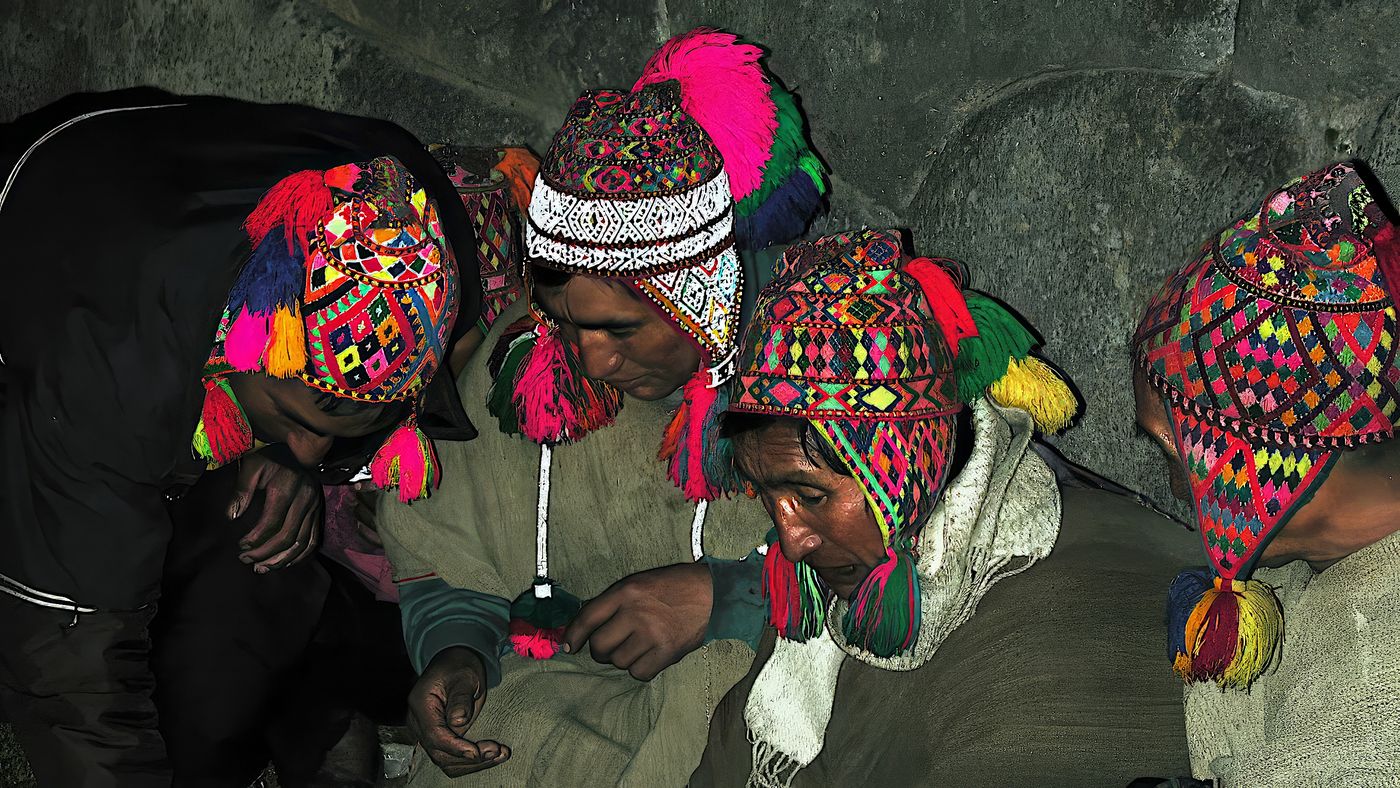
In 1959 the Q'ero, who took refuge five hundred years ago in the mountains of Paucartambo, announced before thousands of pilgrims that the time of the prophecies was near. According to them, soon to be revealed is the great secret of Qosqo, inside the Ukhu Pacha.
“The time of the Taki Onqoy has ended, and the time of Inkarri has begun.”Umbilicus Mundi
The secret of the Andes
Four centuries after the end of the Fourth Andean Empire, the great secret of the Andes comes to light, the most significant heritage of the Children of the Sun.
Hidden inside the Andes lies the mystery of the original Solar Race of the planet, those the Andean tradition calls the Wiracochas. This is the secret of native America: the existence of a civilizing substratum that emanated from the Antarctic polar region, radiating from the south through America and then spreading across the rest of the globe.

Qorianka's message: the Chinkana of Cusco. Video.
“Cusco is not just the ancient capital of the Inca Empire, but a true Axis Mundi, a centre that connects the sky, our earth and the inner world. A genuine Navel of the World which, sheltered by a Primordial Solar Race in the Andes, holds the great mystery of our origins.”
This research is set out in chapter 5 of Umbilicus Mundi, by Anselm Pi Rambla.