Biography

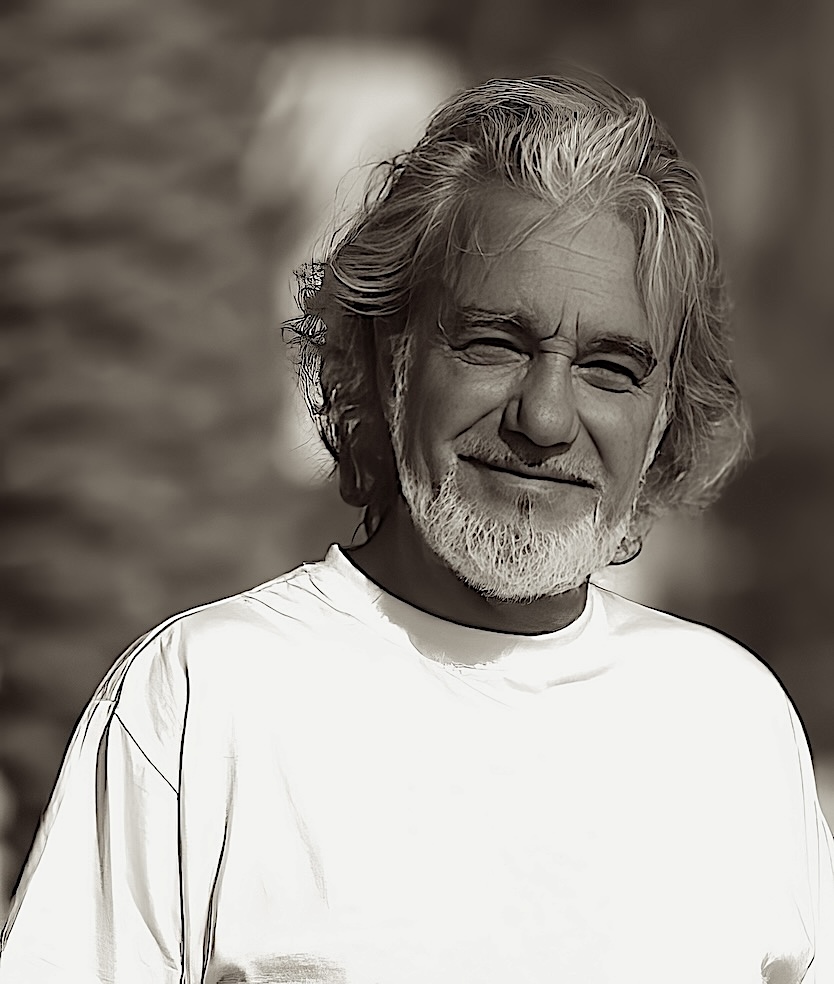
Anselm Pi Rambla
Explorer, researcher and historian. Founder of Pi Rambla Heritage Foundation.
He was born in Barcelona in 1950. After studying at the Faculty of Political and Economic Sciences in Barcelona, he devoted his life to philosophy and anthropology, with a special focus on hermeneutics, mythology, metaphysics and comparative religion.
For more than forty years he has studied ancient civilizations, building bridges between Eastern, Indo-European and pre-Columbian traditions. His method starts from the sources, the myths, the chronicles and ancient cartography, and tests them in the field through exploration, archaeological excavation and scientific techniques.
Four decades in the field
The monastery of Sonada
At the monastery of Sonada, in Darjeeling, he studies the Kalachakra tradition with the venerable Kalu Kempo Rimpoché, one of the great masters of the Kagyupa lineage of Tibetan Buddhism.

Two oceans following the Sun
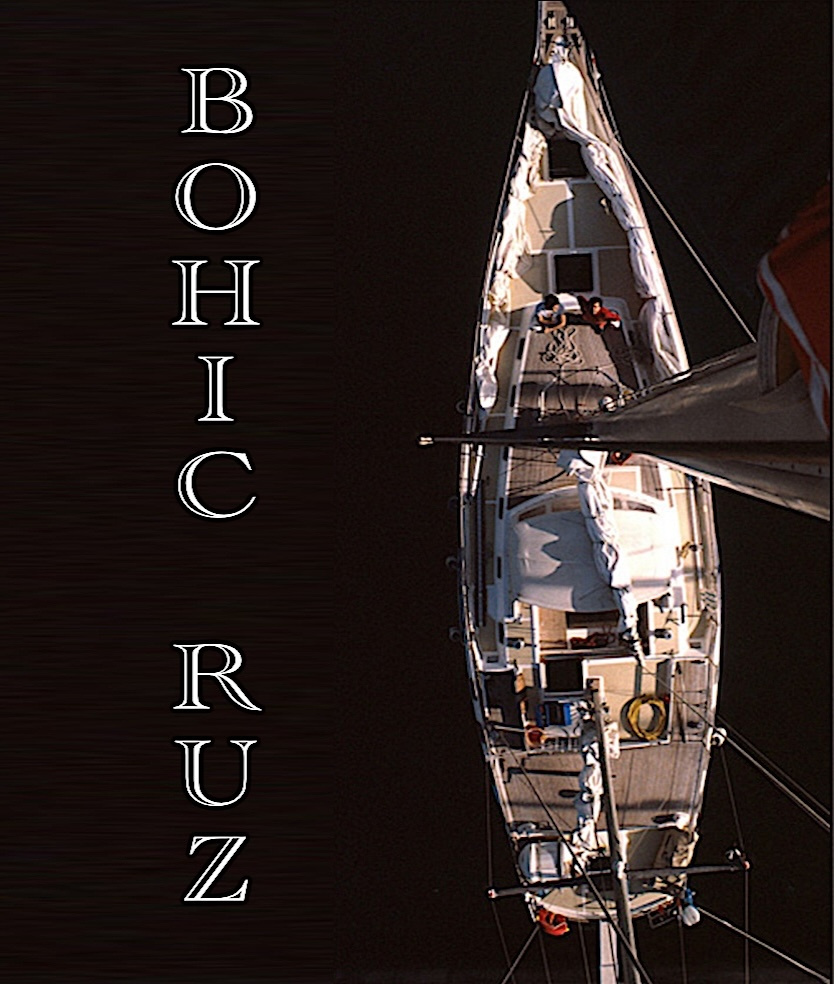
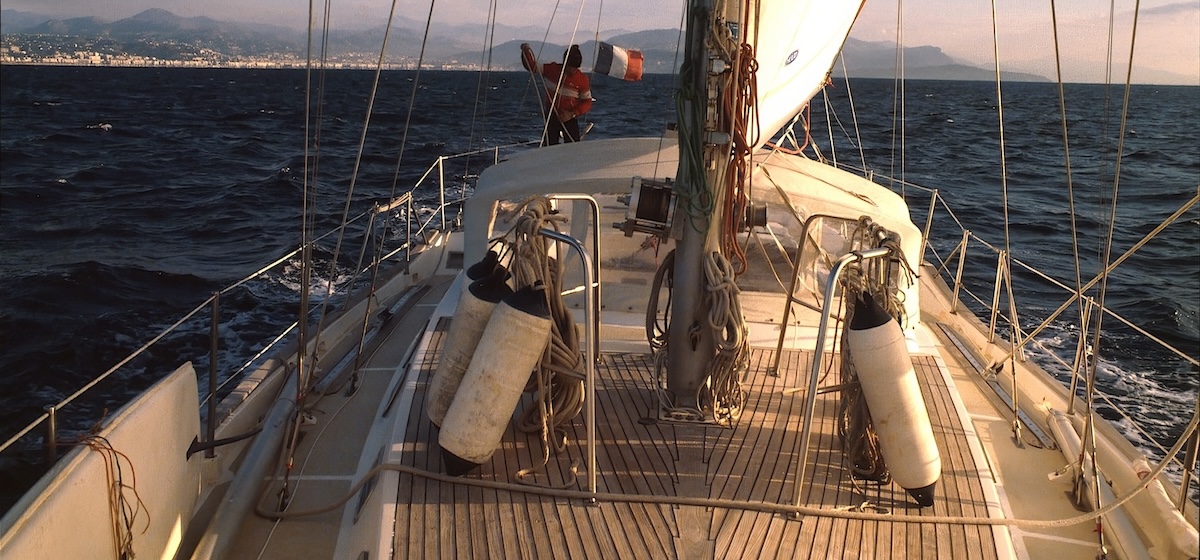
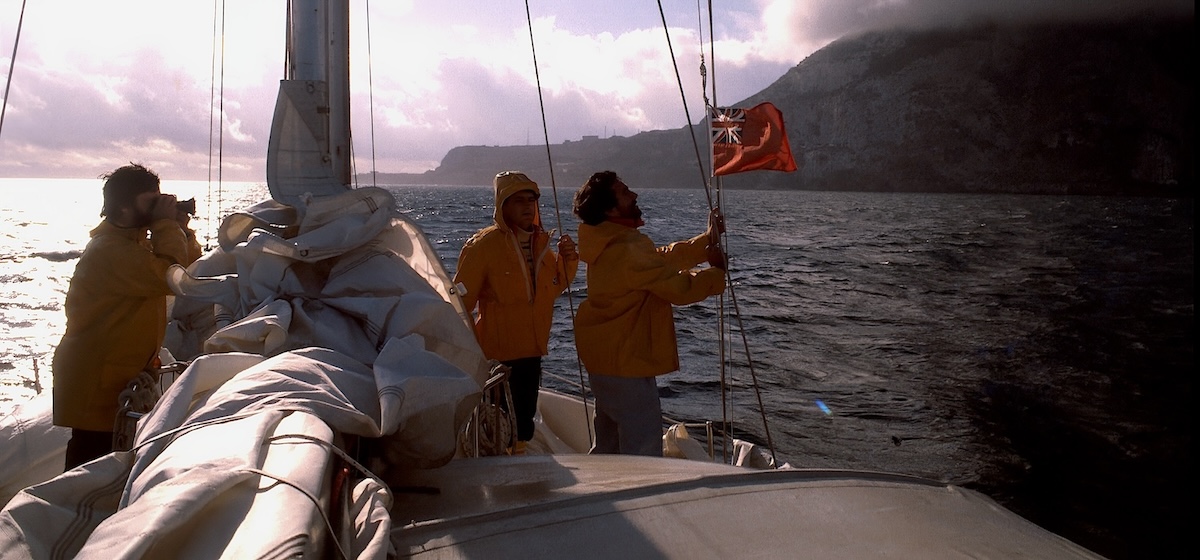
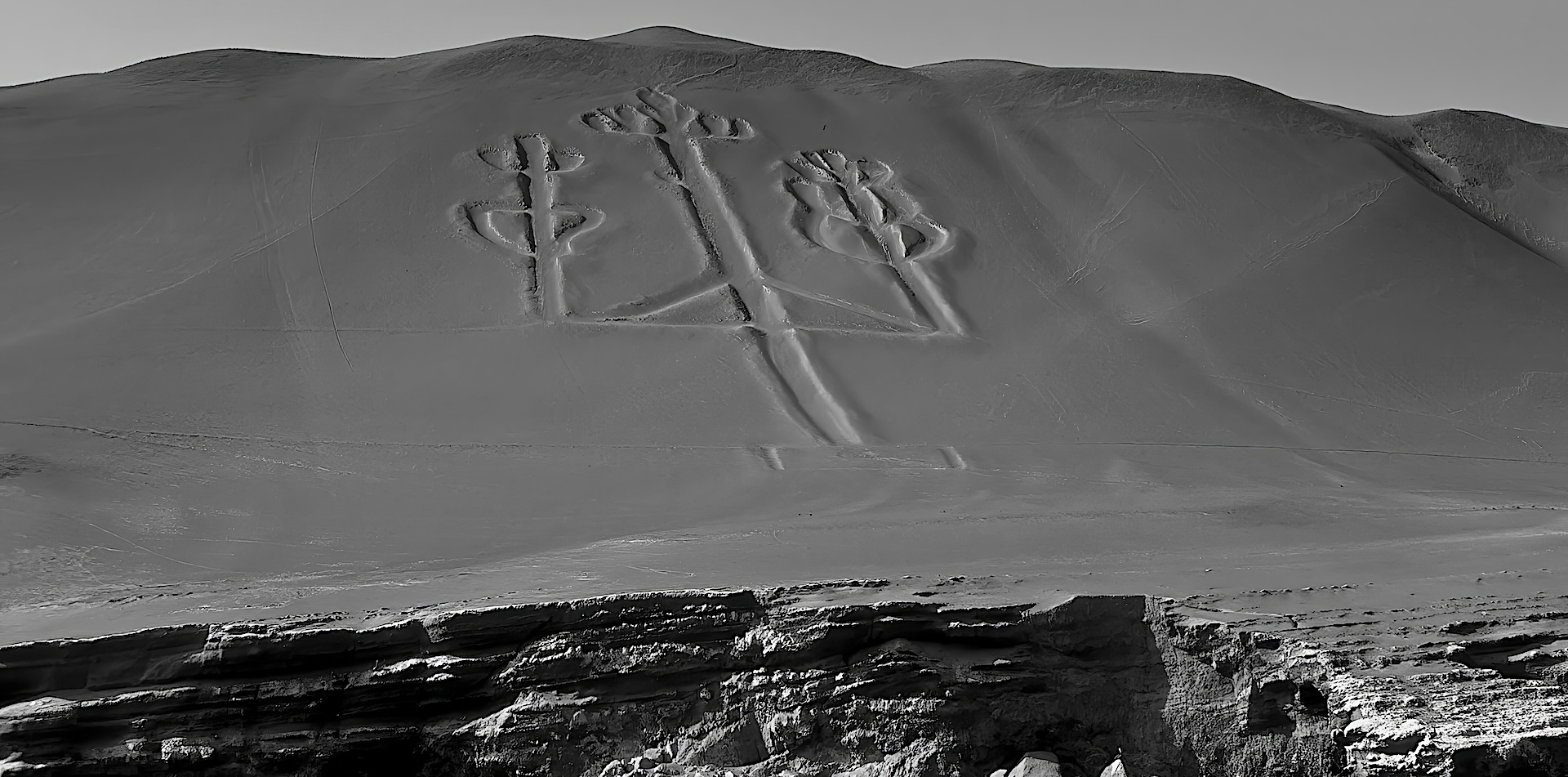
Aboard his sailing boat, the Bohic Ruz, he crosses the Atlantic, the Caribbean and the Panama Canal to the coast of Peru. In Paracas Bay he finds the Candelabra, the geoglyph that will become one of his major lines of research.
The Chinkana
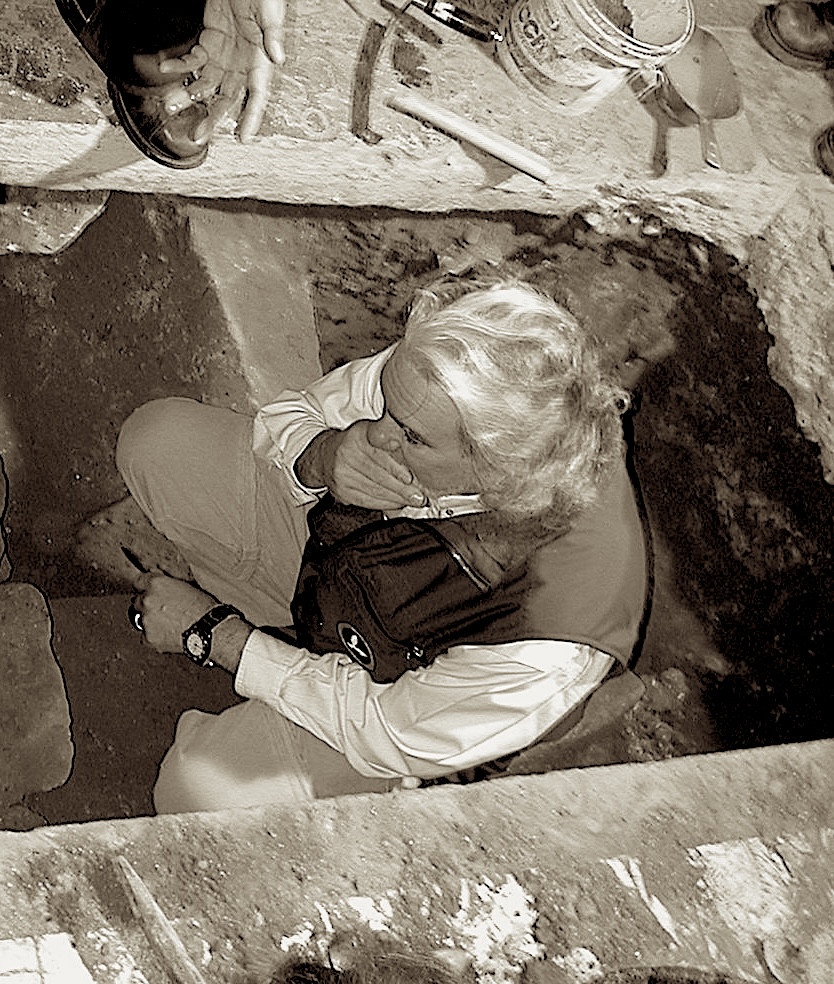
In Cusco he enters for the first time the Chinkana, the underground gallery that leads from the ancient Temple of the Sun, the Koricancha.
The meaning of the Candelabra
From his arrival in Paracas Bay in 1982 he studies the Candelabra, and between 1982 and 1985 he deciphers its meaning: a representation of the Tree of the World, the Axis Mundi, with its axis oriented to the South Celestial Pole and a geometry derived from the Southern Cross. He will go on researching it for many years.
Over the Nazca Lines
For almost three years he regularly flies over the Nazca plains with the airline Aerocóndor, from Ica airport, and studies their lines and figures.
The Cusco excavations
With the support of the Government of Peru and the National Institute of Culture, he leads archaeological excavations at the Koricancha, today the convent of Santo Domingo, and at the citadel of Saqsaywaman, documenting Inca and pre-Inca structures.
The Candelabra, precisely measured
Years later, the Foundation's technical department makes the most precise measurements of the Candelabra with drone and GNSS: its orientation, its dimensions and its relation to the Southern Cross. The Candelabra →
The Chinkana, with 3D ground-penetrating radar
The Foundation's 3D ground-penetrating radar detects beneath Cusco the galleries he entered in 1982.
Umbilicus Mundi and the agreement with Peru
In July he publishes Umbilicus Mundi, published by EY Peru. In September the Foundation signs an agreement with the Decentralized Directorate of Culture of Cusco for the Qosqo Project. In December he presents the book at the Biblioteca Arús in Barcelona, with Dr. Sergi Grau.
The Qosqo Project
He leads the Qosqo Project, whose aim is to open and study the Chinkana of Cusco. The Qosqo Project →
His lines of research
The Prime Civilization
The central thesis: the Mother Culture spoken of by the ancient traditions, with its centre in Cusco.
Qosqo Project
The Andean Axis Mundi: the Koricancha, Saqsaywaman and the Chinkana.
The Paracas Candelabra
The Tree of the World facing the sea, aligned with the Southern Cross.
Qhapaq Ñan
The Route of Wiracocha, from Tiwanaku to Cajamarca on a single axis.
The Dragon's Tail
South America on ancient maps, before Columbus.
Nazca Project
The Nazca Lines, from the flights of 1982-1985 to geophysics.
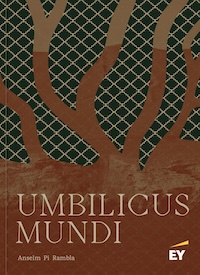
Umbilicus Mundi
Anselm Pi Rambla · published by EY Peru · July 2024
Decades of exploration, excavation and research in one book: the Primordial Mother Culture, the Dragon's Tail, the Paracas Candelabra, the Qhapaq Ñan and Cusco as the Navel of the World. Free download.
Umbilicus Mundi →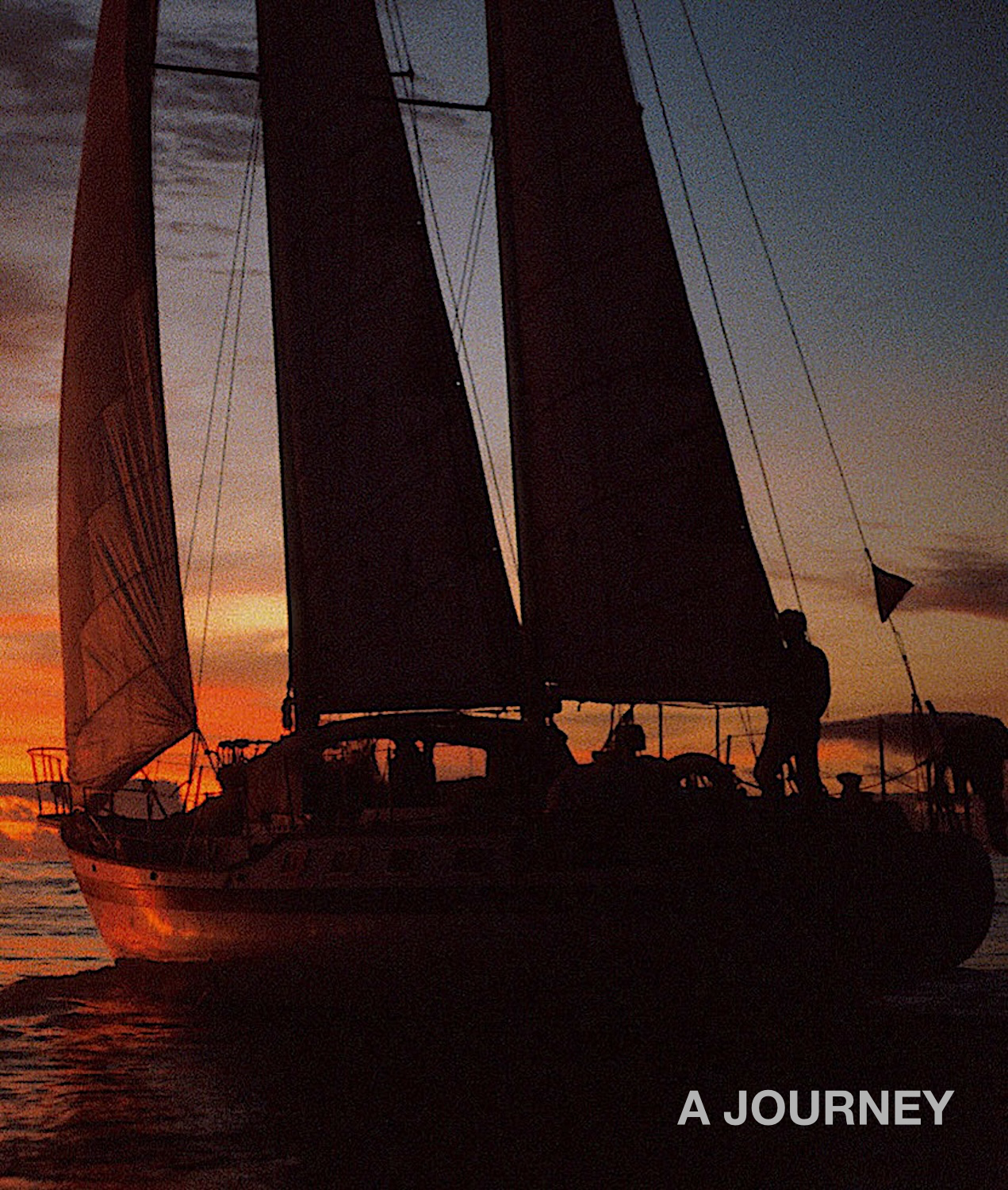
The Route of the Sun
A journey to the heart of existence
The meeting with a Tibetan master, a voyage across two oceans following the Sun, the arrival at the Navel of the World and the secret of the two Shambhalas. Anselm Pi Rambla tells, in the first person, the initiatory journey that gave meaning to all his research: a modern odyssey.
Read The Route of the Sun →






Pi Rambla Heritage Foundation
After forty years of exploration and research, Anselm Pi Rambla founded Pi Rambla Heritage Foundation, a non-profit organization devoted to the historical and scientific knowledge of ancient civilizations and to the preservation of universal cultural heritage.